
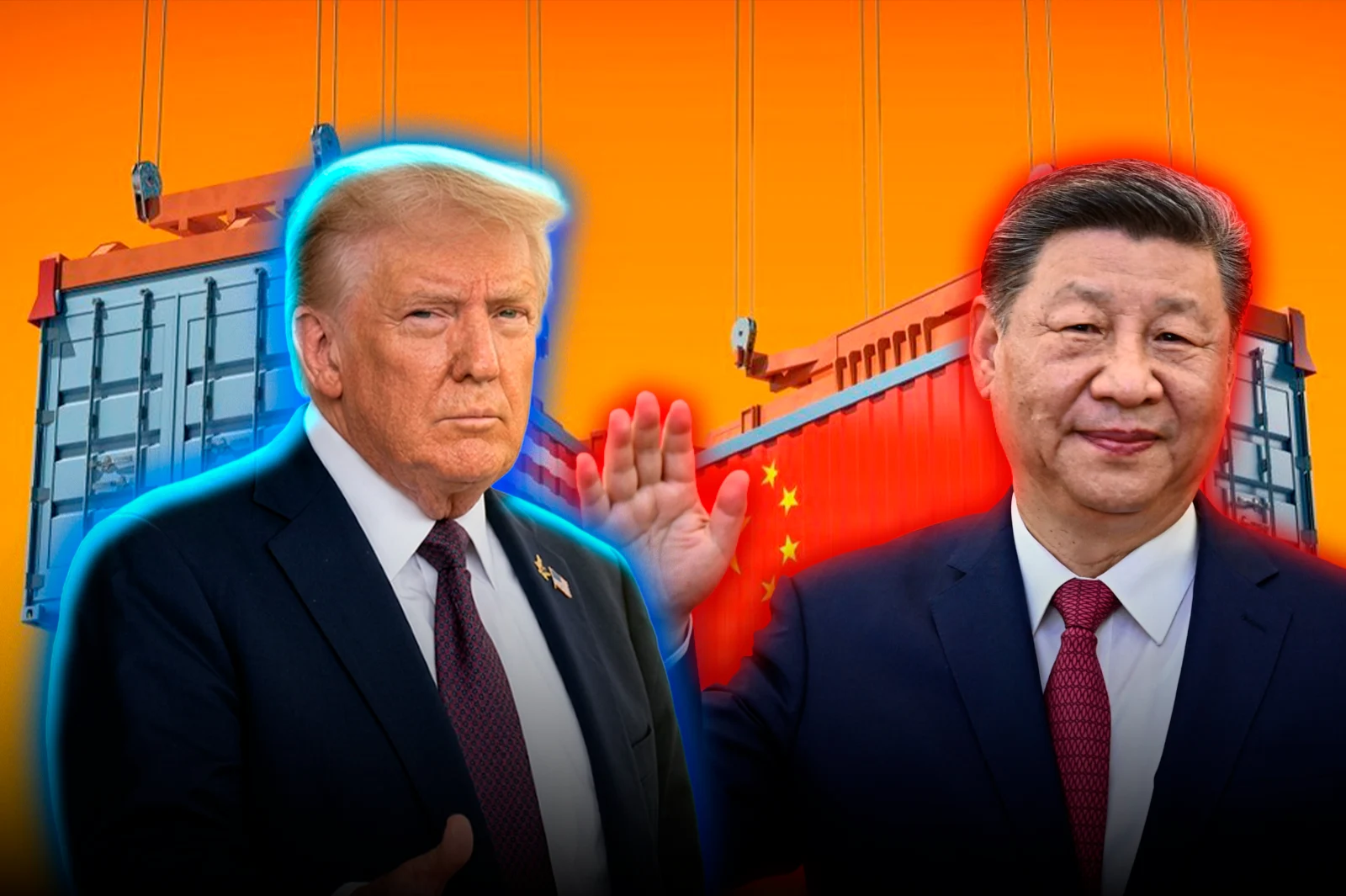
In a new chapter of the bilateral trade dispute, China imposed anti-dumping tariffs of 54% on pecans imported from the United States. The measure was reported by the digital media outlet La Derecha Diario, which linked it to the planned meeting between US President Donald Trump and Chinese leader Xi Jinping. In parallel, the US government, through the Office of the United States Trade Representative (USTR), announced the imposition of tariffs on 60 economies for failing to ban the import of goods produced with forced labor, according to an official statement from July 2026.
Scope of the Chinese measure on pecans
The primary source of the Chinese decision was not published in the material, but La Derecha Diario reported that Xi Jinping’s regime established anti-dumping deposits of 54% for pecans of US origin. This information could not be verified with an official document from the Chinese government, so it remains a press version. The outlet did not specify the exact date of entry into force or the administrative mechanism used.
The tariff applies to a specific product, pecans, which are a relevant crop in the southern United States. The measure comes amid previous trade tensions between the two powers, although the material does not detail background or ongoing negotiations.
The US response: tariffs for forced labor
The USTR statement, dated July 2026, details that Ambassador Jamieson Greer, under the direction of President Trump, imposed tariffs under Section 301 of the Trade Act of 1974 on 60 economies for their alleged failure to effectively ban the import of goods produced with forced labor. The decision is based on investigations that included two rounds of public hearings, more than 2,100 public comments, and consultations with more than 45 governments.
The statement specifies that on March 12, 2026, 60 investigations were initiated, on June 2 it was determined that the practices were unreasonable and burdened US commerce, and from July 7 to 9 hearings were held on the proposed action. In addition, exemptions were established for certain products and economies, including Argentina, Bangladesh, Cambodia, Ecuador, El Salvador, the European Union, Guatemala, Indonesia, Jordan, Malaysia, Switzerland, Taiwan, and the United Kingdom, under specific conditions.
Comparison of data between sources
The two sources address different topics: the first focuses on the Chinese measure on pecans, while the second is a US decision on forced labor. There is no direct overlap in the products or countries affected, although both reflect an increase in global trade tensions. The primary source is the USTR statement, as it is an official document; La Derecha Diario is a secondary source that does not cite official Chinese documents.
Regarding the figures, the Chinese source reports a 54% tariff on pecans, while the US source does not specify percentages, but rather mentions the imposition of tariffs on 60 economies. It is not possible to directly compare both measures because they refer to different products and rationales.
Value module: comparison of tariffs and scope
| Aspect | China (La Derecha Diario) | US (USTR) |
|---|---|---|
| Product/service affected | Pecans | Goods produced with forced labor |
| Tariff percentage | 54% | Not specified |
| Number of economies affected | 1 (US) | 60 |
| Basis | Anti-dumping | Section 301 (forced labor) |
| Date of measure | Not specified | Announced in July 2026 |
| Source | Secondary (press outlet) | Primary (official statement) |
Methodological note: The comparison is limited to the data available in the sources. No currency conversions or additional calculations were made because the sources do not provide monetary values. The 54% percentage corresponds to the Chinese measure reported by La Derecha Diario; the USTR does not detail percentages. The date of the Chinese measure was not specified in the material.
What to watch closely
The most relevant data to follow is the evolution of negotiations between China and the United States, particularly whether the measure on pecans extends to other agricultural products. It is also important to monitor the implementation of US tariffs on forced labor, especially the exemptions granted to Argentina and other countries, and whether these exemptions are maintained or conditioned on verifiable commitments. The lack of an official Chinese source on the 54% tariff suggests that confirmation should be sought in documents from the Chinese Ministry of Commerce or the World Trade Organization.
Fuentes consultadas
El Sereno contrastó las fuentes enlazadas y añadió contexto, comparación o análisis documental. Las fuentes primarias están identificadas. La nota no se presenta como investigación de campo ni como entrevista propia, salvo indicación expresa.


Comentarios