
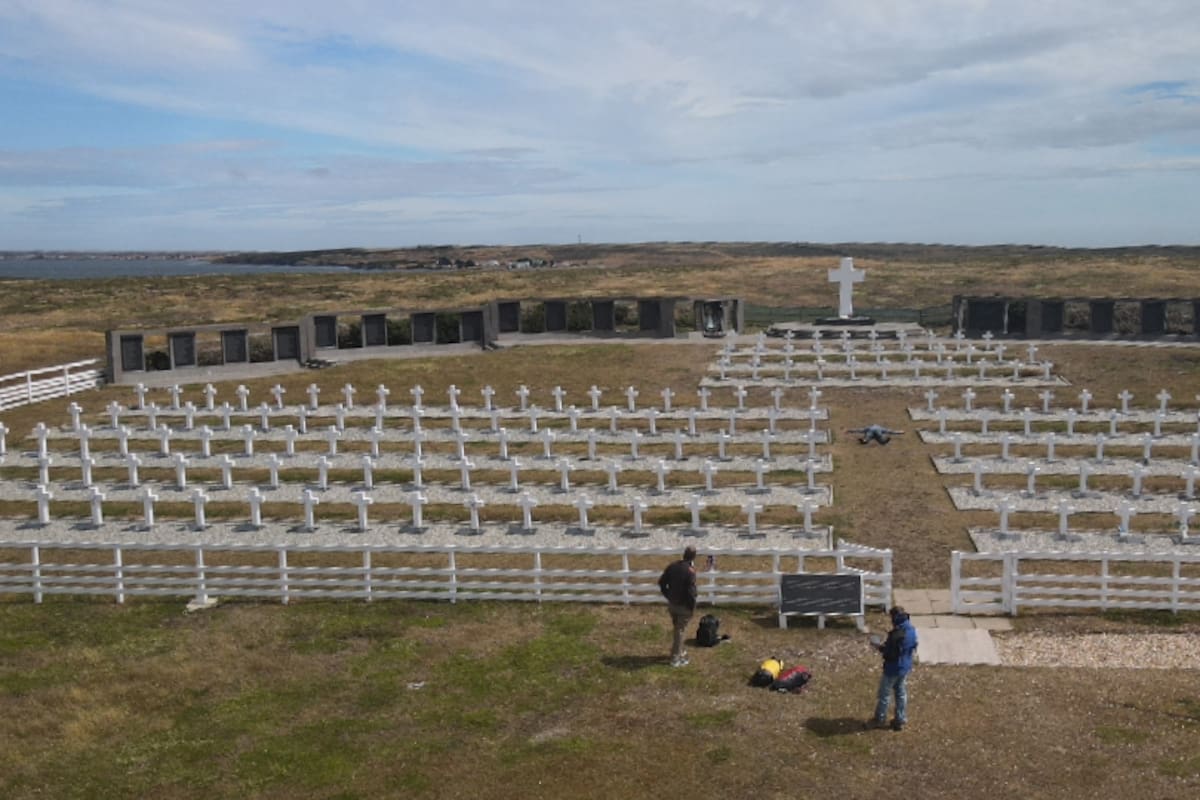
The Argentine documentary Malvinas: The Return, directed by former combatant Héctor Ponce, became the most-watched content on Amazon Prime Video in the United Kingdom following the Argentine national team’s victory over England in the World Cup. In parallel, the Argentine government filed a formal protest note with the United Kingdom over the transit of the HMS Medway in waters under Argentine jurisdiction. Both events, though of different nature, reflect the ongoing tension over the sovereignty of the islands.
The documentary that conquered British audiences
According to La Nación, Malvinas: The Return leads the trending topic on Amazon Prime Video in the UK, an unprecedented feat for an Argentine production. The film shows ten veterans of the 1982 war touring the battle sites, with images of penguins, the South Atlantic landscape, and the Darwin cemetery. Critics highlight its intimate and respectful tone, far from strident patriotic vindication.
The production company Film Production, owned by Mario Ghersi, distributes the documentary, which is already available in fifteen countries and will soon reach sixty, including Puerto Argentino. The mayor of Merlo, Gustavo Menéndez, appears in a couple of scenes, as the municipality financed the project, according to La Nación.
Diplomatic protest over HMS Medway
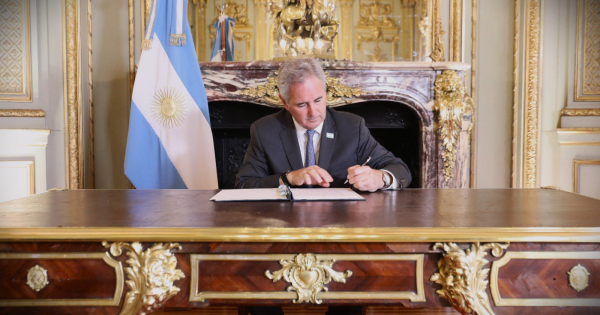
On July 13, the Argentine Foreign Ministry filed a formal note with the British Embassy rejecting the movements of the HMS Medway, which were not notified according to bilateral agreements. The official statement from the Foreign Ministry indicates that this action violates the 1991 Joint Declaration and its 1993 amendments, specifically the section on confidence-building measures.
The Argentine government describes the incursion as illegal and contrary to UN General Assembly Resolution 31/49, which urges both parties to refrain from unilateral changes. The protest adds to a series of unilateral British actions that, according to the Foreign Ministry, deepen tensions and hinder a peaceful solution.
Comparison of data and positions
The sources differ in their approach: La Nación analyzes the cultural impact of the documentary and mentions the British reaction, while the Foreign Ministry focuses on diplomatic action. There is no contradiction between the two, but neither do they confirm each other: the opinion piece does not mention the protest, and the official statement does not allude to the documentary.
Regarding data, La Nación mentions oil investments of 2.1 billion dollars and British military exercises since last month, but does not provide exact dates or primary sources. The Foreign Ministry, on the other hand, specifies the date of the protest (July 13) and the name of the vessel, but does not quantify the frequency of movements.
| Aspect | La Nación (16/08/2026) | Foreign Ministry (official statement) |
|---|---|---|
| Reference date | After the World Cup (July 2026) | July 13, 2026 |
| Main event | Documentary leads in UK | Protest over HMS Medway |
| Numerical data | 2.1 billion USD in oil project; 15 countries with the documentary | No specific figures |
| Primary source | Not identified | Protest note filed with the British Embassy |
| Legal framework | Mentions UN Decolonization Committee (25/06) | UN Resolution 31/49; 1991/1993 Joint Declaration |
Methodological note: The table compares the data available in each source. La Nación is an opinion piece (secondary source); the Foreign Ministry is an official statement (primary source). No currency conversions or additional calculations were made.
Reactions and bilateral context
La Nación notes that the documentary has caused unease among the British public, especially due to the word «return» in the title, which adds to the global «Malvinization» following the fall of a banner reading «Las Malvinas son argentinas» during the match. The article also mentions two recent books on the subject: Puerto Stanley by Nicolás Cassese and Un soldado está solo by Nicolás Gueilburt.
For its part, the Foreign Ministry reaffirms Argentina’s sovereignty rights over the islands and surrounding maritime areas, and denounces that the UK continues with unilateral acts that violate UN resolutions. The protest is framed within the «Malvinization» policy that the Argentine government promotes, although La Nación criticizes that the government failed to interpret popular nationalism.
What to watch next
The most relevant development to follow is the UK’s response to the protest note of July 13. If London does not respond or rejects the accusations, tensions could escalate. It is also important to monitor the movements of the HMS Medway and other vessels in the area, as well as the progress of the joint oil project north of the islands, with investments estimated at 2.1 billion dollars and exploration planned for 2028. The documentary’s evolution on international platforms, especially its arrival in Puerto Argentino, could influence global public perception.
Fuentes consultadas
- LA NACION
- Cancillería Argentina Fuente primaria
El Sereno contrastó las fuentes enlazadas y añadió contexto, comparación o análisis documental. Las fuentes primarias están identificadas. La nota no se presenta como investigación de campo ni como entrevista propia, salvo indicación expresa.

Comentarios