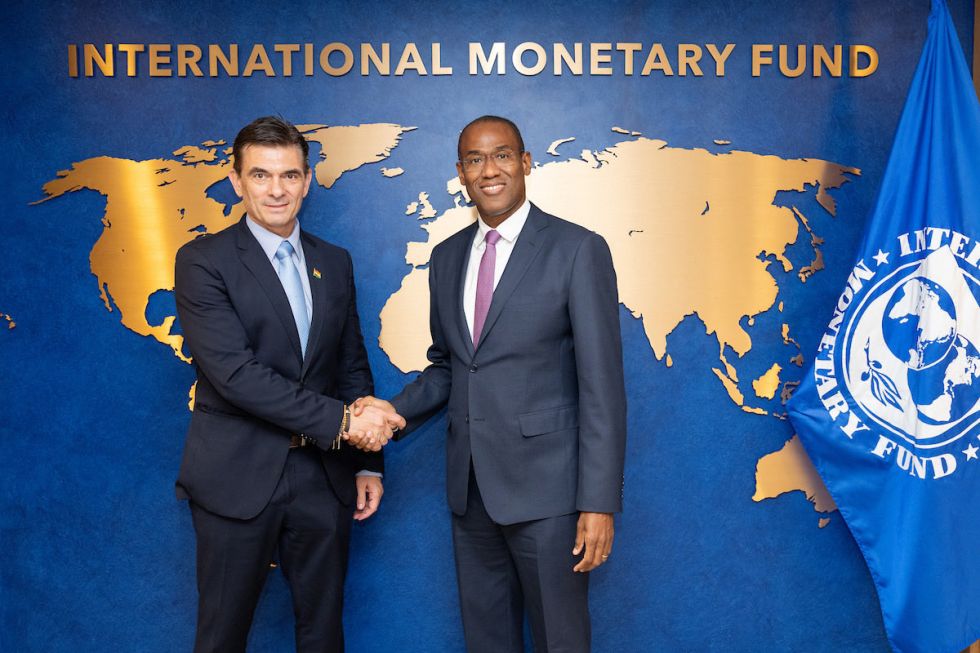
During the election campaign, Rodrigo Paz and his vice president Edmand Lara repeated ad nauseam that their government plan would not be based on IMF adjustment programs, unlike their competitor Tuto Quiroga. But once in power, reality is different. According to announcements by Paz’s government authorities, a stabilization package of up to $5 billion is being negotiated with the International Monetary Fund, accompanied by a structural adjustment program. Below are the key points of the organization’s demands.
The latest Article IV Consultation (2025) report for Bolivia, published on the IMF website in June last year, establishes three main axes. The first: a credible multi-year fiscal consolidation, requiring the gradual elimination of fuel subsidies, a reduction in the wage bill, and rationalization of capital spending. Last December, through Supreme Decree 5503, Paz’s government began implementing this mandate with a fuel price hike that involved increases of 86% for special gasoline, 52% for premium, and nearly 164% for diesel. The impact on living costs and the household basket was immediate. Additionally, fiscal cut measures were established, leading to layoffs, unpaid wages, and greater labor precarity in outsourced municipal services.
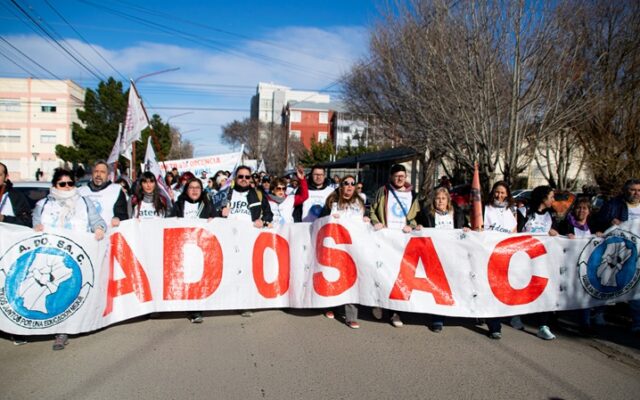
Amid massive worker, peasant, and popular mobilizations, the COB signed an agreement with the government: Supreme Decree 5503 was formally repealed, but half of the adjustment package was maintained, while other points such as tax reform were left to the legislature.
The second IMF axis demands realigning the official exchange rate to facilitate external adjustment and implementing a new monetary and exchange rate framework, including the immediate elimination of administrative controls and interest rate caps. Under the state of exception, Paz decreed a 40% devaluation of the boliviano, adjusting the official exchange rate from 6.96 to 9.76 bolivianos per dollar, under the justification of «unifying» the exchange rate. Ministerial Resolution No. 245 eliminated the official exchange rate and established a floating rate determined by the market. The direct impact is felt on fuels, basic services, bank loans, and customs tariffs. The incomes of millions of working families were devalued by 40%.
The third axis aims to eliminate supply restrictions, reduce informality, strengthen governance, and foster competitiveness. To this end, Paz seeks coordination with neoliberal right-wing blocs in parliament and called for a major national meeting of right-wing politicians, civic leaders, and businesspeople on May 9 in Cochabamba. The goal: to advance legislation that facilitates the plundering of natural resources, including modifications to public-private partnerships, hydrocarbons, and mining.
The COB’s betrayal of the May Day petition is evident. There was another way out of the crisis: state monopoly over foreign trade and cutting capital flight by large mining, agribusiness, and banking entrepreneurs. But that demand did not even appear in the discussion. Once again, the cost of the crisis falls on working families.


Para mí este Paz es un vendepatria, se arrodilla ante el FMI como un corderito. Nos prometió pan y nos da gasolinazo, devaluación y ajuste. Esto huele a traición, solo benefician a los ricos de siempre. ¡Bolivia, despertá, estos son tibios del sistema! ¡Fuera Paz, fuera FMI!
Para mí este Rodrigo Paz es un zurdo de mierda que nos está cagando. Prometió no tocar el bolsillo y ahora negocia con el FMI devaluación y gasolinazo. ¡Vendepatria! Los zurdos siempre terminan llenándose los bolsillos a costa del pueblo. Hay que rajar a todos estos políticos corruptos. ¡Viva la libertad carajo!