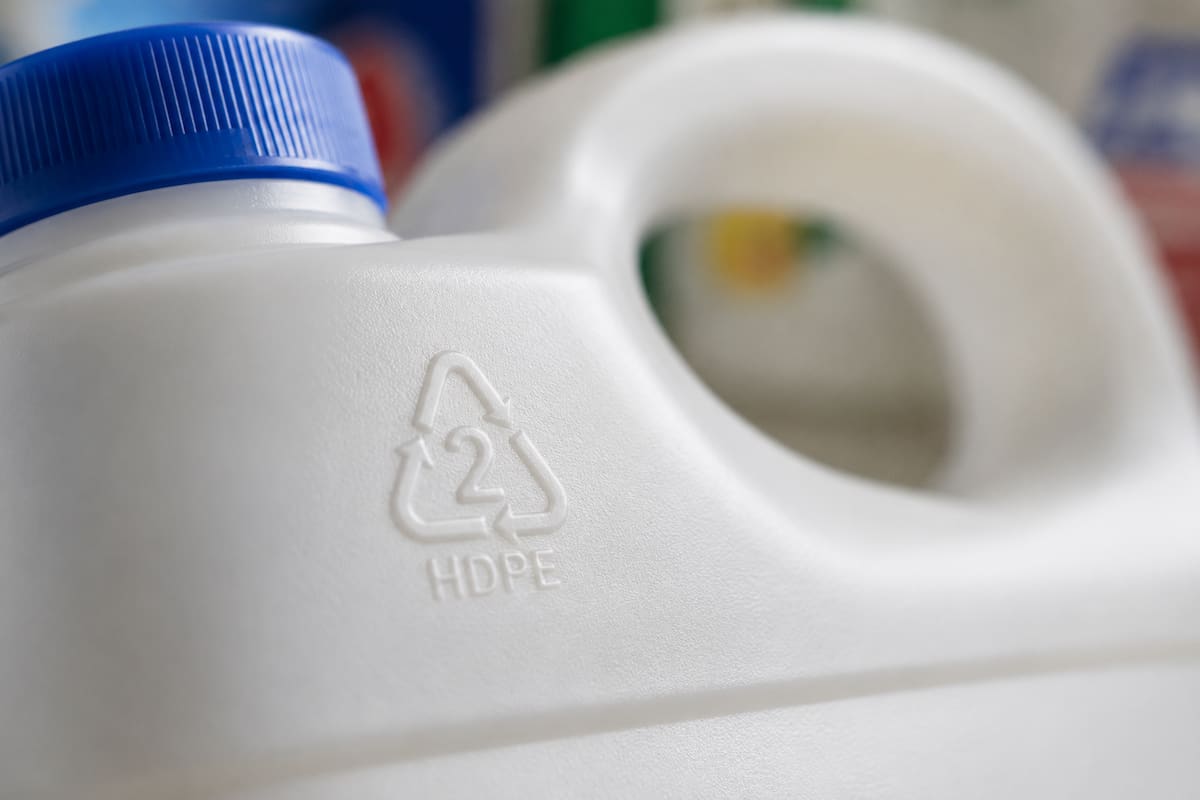
Look, we’ve all seen that triangle with a number on the bottom of plastic bottles and containers. Most people think it’s a sign that it can be recycled, but the reality is different: that mark does not guarantee the product is recyclable. It’s one of the most common confusions when sorting waste at home, and it could be sabotaging your good ecological intentions.
That icon, which bears numbers from 1 to 7, is actually a code identifying the type of plastic the container is made from. Its purpose is to facilitate industrial sorting and the work of waste management systems, not to tell the consumer whether that container will end up turned into something new. But since no one explains it well, people assume that if it has the triangle, it goes in the recycling bin.
This misunderstanding fuels a practice specialists call «wishcycling»: putting anything that «looks» recyclable into the recycling just because it has the symbol. The intention is good, but the effect can be disastrous. By mixing unsuitable materials with those that can actually be recovered, you contaminate the entire process and make it harder and more expensive to treat the waste. In plain English: you’re doing more harm than good.
That’s why it’s key to understand what each number means. 1 is PET, the plastic of beverage bottles and food containers; it’s one of the most accepted because it’s easily recycled. 2 is HDPE, used in containers for cleaning products, milk, or cosmetics; it’s also usually recyclable. 3 is PVC, common in pipes and construction materials; forget it, it doesn’t enter household systems due to its complexity. 4 is LDPE, the plastic of bags and flexible wrappings; it’s not always accepted. 5 is polypropylene, heat-resistant, used in some food containers; possibilities vary by region. 6 is polystyrene, known as Styrofoam; it’s one of the least recycled because processing it is a headache. And 7 groups mixed or unclassified plastics; they are the least suitable for home recycling.
So, what do we do? Specialists emphasize that beyond the symbol, the key is to know what materials each local recycling system actually accepts. The triangle helps identify the type of plastic, but the right decision depends on your city’s rules, not just the number on the container. So before tossing something into the green bin, find out what’s accepted in your neighborhood. Don’t be fooled by the triangle: it’s not a guarantee, just a clue.

Para mí esto es otro verso de los zurditos ecolocos que quieren hacernos sentir culpables por respirar. El wishcycling es una gilada de progres que creen que con separar basura salvan el planeta. Yo creo que el plástico termina todo mezclado igual, no jodan. ¡Dejen de romper las pelotas con sus símbolos mágicos!
che, para mí este numerito es la misma joda de siempre. el sistema capitalista nos tiene de boludos con el wishcycling mientras las corporaciones se forran. yo creo que separar residuos es un verso para lavarnos la conciencia. ¡exijamos cambios de verdad, carajo!