
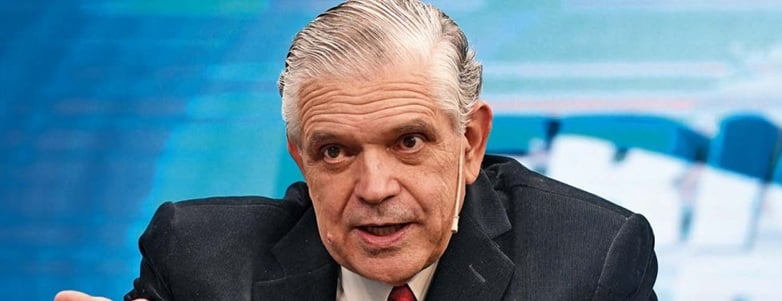
While Argentine politics tries to show signs of modernization, in Republicanos Unidos of the Autonomous City of Buenos Aires a true regression is brewing. The affiliates of that party, founded among others by Ricardo López Murphy, will go to the polls this Sunday, June 28, to decide whether to accept a reform of the party charter that, if approved, would bury the Single Transferable Vote (STV) system and reinstate the old and questioned closed list system.
The STV allowed voters to rank candidates individually, giving representation to minorities. But the party leadership, without much explanation, is quietly pushing a change that, according to internal opponents, aims to concentrate power. The most serious: the new rule does not set a minimum vote threshold to access positions, as the National Electoral Code does (3%). Instead, that limit will be defined in each election by the majority of the Convention, which is controlled by the leadership. A mechanism that, they warn, allows excluding minorities according to the convenience of the dominant sector.
“Only the participation of affiliates who have deep republican and democratic convictions can prevent the appropriation of our party by a group of outdated bureaucrats,” said José Magioncalda, a lawyer and former pre-candidate for deputy of the party. His message on social media was forceful: #YoVotoNO.
The also known as “ex Vecina de Cristina”, Ximena de Tezanos Pinto, joined the criticism: “The leadership of Republicanos Unidos CABA imposes itself with a spirit opposed to what liberal democracy proposes. They want to turn the party into a rubber stamp like almost all existing parties. But affiliates have the tools to resist the outrage of closed lists.”
Lawyer Juan Martín Fazio went further: he explained that with the closed list, “a minority has to negotiate with those who do not share ideas, wasting transformative energy on ‘backroom deals’. The ‘list assembly’ absorbs most of a party’s energy, generating miserable interactions among affiliates: clientelism, irrational alliances, betrayals of principles and people, revenge, and concentration of power in leadership.”
For the reform to succeed, the leadership, with the quiet support of Buenos Aires City legislator Pablo Donati – now part of the PRO bloc – needs two-thirds of the votes. If they do not get them, the party charter remains as is. What is at stake, according to opponents, is not only the future of a party, but the possibility of infecting other forces with a more transparent and participatory voting system.
“Republicanos Unidos promised in 2021 to be a model party in terms of democratic representation. Now they want to be just another one,” lamented Fazio. The showdown is decided this Sunday. And affiliates who defend the STV are confident that the rejection of the closed list will be overwhelming.



para mi estos fachos de republicanos unidos quieren volver a la lista sabana para chorear tranquilos son unos giles eliminan el voto preferencial para cagarse en la voluntad popular aguante lxs afiliadxs que se revelan a resistir contra estos vendepatria de mierda firmado el che de palermo
no me jodan la lista sabana es lo unico q mantiene el orden estos zurditos quieren vender el partido al pelado de milei voten q no carajo firma el gaucho radical