
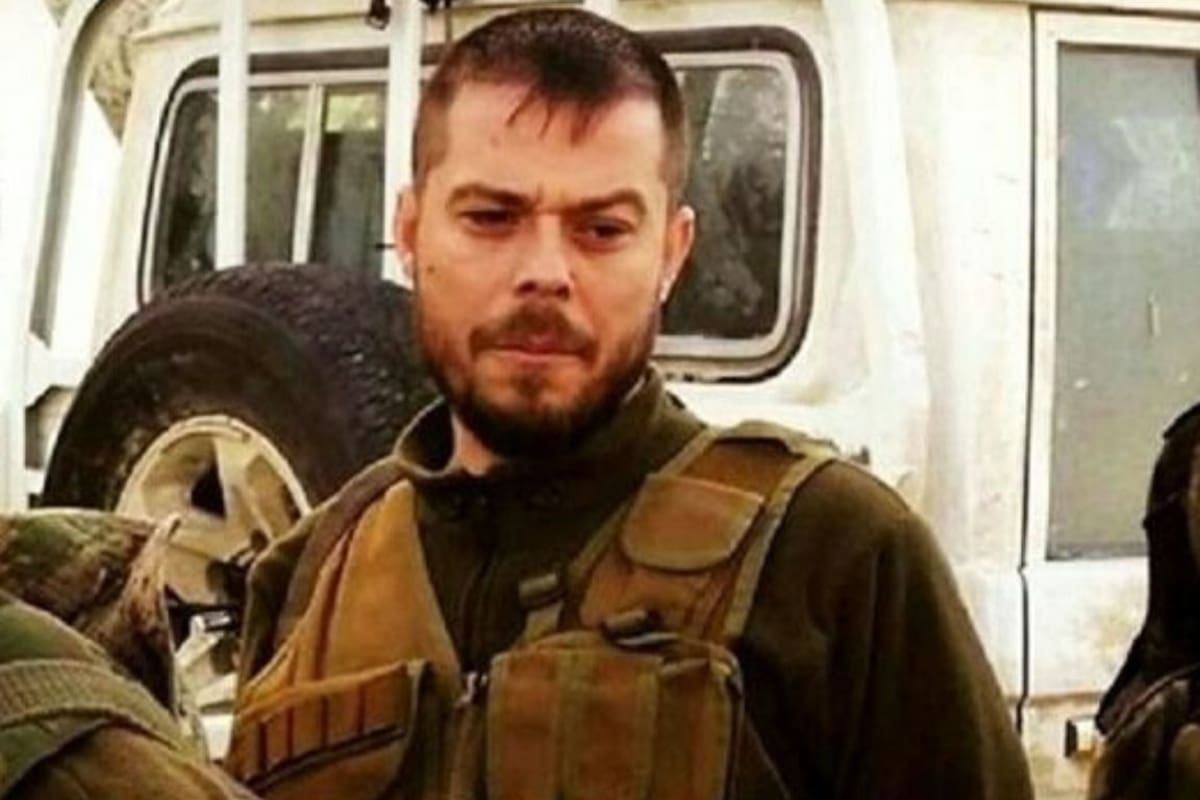
The Executive Branch, through the Foreign Ministry, authorized the extradition to Turkey of Serkan Kurtulus, head of a Turkish mafia organization detained in the Ezeiza prison since 2020. The decision was made after judicial avenues were exhausted. Kurtulus, wanted by Turkish justice for crimes including homicide, extortion, kidnapping, and arms trafficking, had requested political asylum in Argentina, a request denied by the National Refugee Commission (CONARE).
Accusations and Judicial Process
According to judicial documents, Kurtulus is accused of 26 crimes, including running an armed criminal organization, extortion, aggravated false imprisonment, and property damage, committed since 2016. Argentina’s Supreme Court confirmed the extradition’s validity on November 30, 2023, and in November 2025, the Federal Criminal Cassation Chamber rejected the defense’s appeals. The Court’s ruling included an exhortation to Turkey to guarantee Kurtulus’s physical integrity, though the defense considers this guarantee merely formal.
Allegations of Political Ties and Risk of Torture
Kurtulus claims he possesses information about links between mafia organizations, intelligence sectors, and Turkish political leaders, including President Recep Tayyip Erdoğan. He argues that if extradited, he could be tortured or killed. Journalist Can Dündar, former editor of the newspaper Cumhuriyet and sentenced in absentia to 27 years in prison in Turkey, publicly supported Kurtulus’s asylum request. Dündar, who visited the detainee in Ezeiza in April 2023, stated that extradition «would mean torture and even death for him.» International organizations such as Human Rights Watch, Amnesty International, and the Council of Europe have denounced arbitrary detentions, torture, and judicial persecution in Turkey.
Transfer Details and Coordination
Kurtulus entered Argentina in 2020 with false documentation alongside his lieutenant Líder Camgoz, and was arrested in a tower in Puerto Madero. His defense, led by lawyer Héctor Trajtemberg, attempted to open new procedural incidents, but the main case file became final. The Foreign Ministry, after signing the resolution, ordered the handover, and Interpol offices in Buenos Aires and Istanbul are coordinating the transfer. Erdoğan’s government had appointed an official to follow the case in Argentina.
Contrast Between Sources
Both sources agree on the central facts: the extradition was authorized by the Executive, Kurtulus is accused of multiple crimes, and his defense alleges risk of torture. However, they differ in tone and some details. La Nación focuses on Kurtulus’s allegations and Dündar’s support, while La Derecha Diario emphasizes the «border laxity» of previous administrations and describes the decision as an act of sovereignty. La Nación mentions that the Supreme Court exhorted Turkey to guarantee physical integrity, a detail omitted by La Derecha Diario. Additionally, La Derecha Diario claims Kurtulus attempted a «media maneuver» with a plea to President Milei, while La Nación does not record that episode. Both sources agree that the Milei government made the decision, but La Derecha Diario adds a political assessment not found in the other source.
Value Module: What the Documents Say
| Document | What It Establishes | What It Does Not Establish | Open Questions |
|---|---|---|---|
| Foreign Ministry Resolution (2025) | Authorizes the extradition of Serkan Kurtulus to Turkey | Does not detail the diplomatic guarantees offered by Turkey | Was a bilateral guarantee agreement signed? |
| Supreme Court Ruling (11/30/2023) | Confirms the validity of extradition and exhorts Turkey to guarantee Kurtulus’s physical integrity | Does not specify verification mechanisms for the guarantees | How will compliance with the exhortation be monitored? |
| Kurtulus’s Asylum Application (2020-2025) | Alleges political persecution and risk of torture | Does not provide concrete evidence of the alleged ties | Is there documentation supporting his claims? |
What to Follow
It is relevant to monitor whether the Argentine government demands formal diplomatic guarantees from Turkey and whether international organizations such as the UN or the Inter-American Court of Human Rights intervene. Also worth observing is whether Kurtulus, once in Turkey, actually provides the information he claims to have about links between organized crime and Erdoğan’s circle, and whether his physical integrity is respected.
Fuentes consultadas
El Sereno contrastó las fuentes enlazadas y añadió contexto, comparación o análisis documental. Las fuentes primarias están identificadas. La nota no se presenta como investigación de campo ni como entrevista propia, salvo indicación expresa.
Comentarios