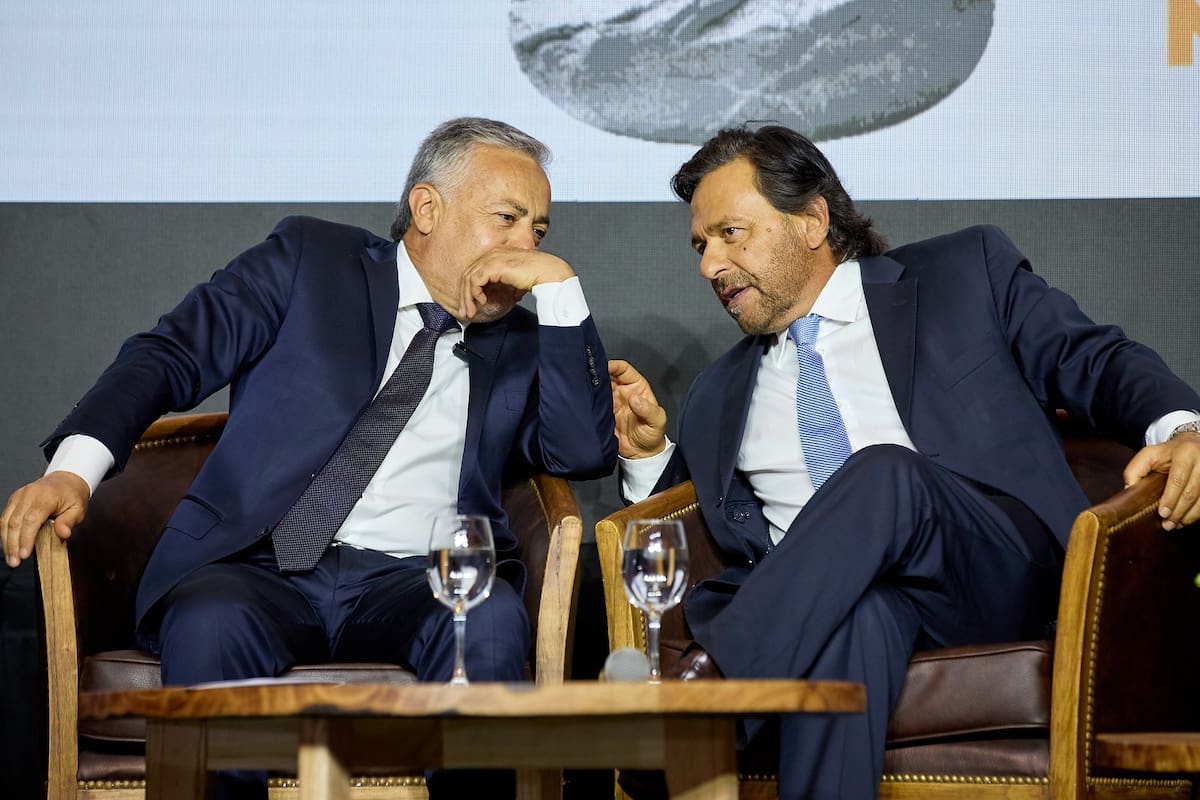
The official project that reforms the gas subsidy regime for cold zones remains stalled in the Senate. The initiative, which received half-sanction in the Lower House on May 22 with the support of dialoguing governors, was not debated in the Upper House because those same governors demand the Executive Branch fulfill commitments made during negotiations. According to LA NACION, talks are stalled over two main demands: compensation for the removal of subsidies for warm provinces and the inclusion of provincial distributors and transporters in the debt regularization scheme with Cammesa.
Governors’ demands
The first demand consists of a reduction in the cost of electricity for the warmest jurisdictions, as compensation for the loss of benefits from the cold zone regime. During the debate in the Lower House, the Government committed to implementing a benefit for Salta, Jujuy, Tucumán, Catamarca, Chaco, Misiones, and Santa Fe, but the measure was not formalized. According to sources consulted by LA NACION, the Ministry of Economy promised tax exemptions on electricity, but almost three months after the half-sanction, there is no news.
The second demand points to the chapter on regularization of the wholesale electricity market. The project establishes a mechanism for federal distributors and transporters to settle their debts with Cammesa through compensations for credits accumulated during the tariff freeze. However, provincial and municipal companies were left out of that scheme. For them, the initiative only instructs local jurisdictions to calculate credits and clarifies that any balance in favor must be borne by each province or municipality, without intervention from the national state.
Differences between sources
The primary source is the Ministry of Economy’s statement of August 9, 2026, which announces modifications to the Tax Innocence Bill. This document does not mention the cold zone issue or the governors’ demands. The secondary source is the LA NACION article of the same day, which details the conflict. Information about the cold zone project comes exclusively from LA NACION; the official statement does not provide data on that topic. Therefore, coverage of the conflict is based on a single journalistic source, which cites officials and leaders without identifying most of them.
Concrete data available
- The cold zone reform project was sent to the Senate on May 22, 2026.
- The half-sanction in the Lower House occurred the same day, with the support of dialoguing governors.
- The project replaces the current scheme based on geographic location with one focused on each household’s income level.
- Towns in the interior of Buenos Aires, southern Santa Fe, central and southern Córdoba, almost all of San Luis, and sectors of Mendoza, Salta, Jujuy, Catamarca, La Rioja, Tucumán, and San Juan would stop receiving the automatic discount.
- The governor of Corrientes, Juan Pablo Valdés, confirmed his participation in the North Grande summit on August 12 in Posadas.
- Mendoza senator Mariana Juri stated in June that she would seek to postpone the project’s debate.
- The Minister of Economy, Luis Caputo, is responsible for the promised compensations.
Government and governors’ positions
In the ruling party, they maintain that compensation will arrive once the law is approved. The governors, on the other hand, want it guaranteed before enabling the Senate debate. During the Lower House debate, they requested to incorporate that commitment into the law’s text, but the proposal was rejected by the Executive Branch. A leader following the negotiations summarized: «There is significant compensation for federal transporters and distributors, but it is unclear what will happen with provincial and municipal ones. In the Lower House, we raised that issue, but it was ultimately not incorporated.»
Impossibility of numerical calculations
It is not possible to make a numerical calculation of the project’s impact because the sources do not provide figures on subsidy amounts, number of affected households, or costs of compensations. LA NACION mentions that the project leaves behind the current scheme, but does not quantify the loss. The Ministry of Economy’s statement also does not address the issue. Therefore, any estimate would be speculative.
Next steps
The key data to follow is the North Grande governors’ summit scheduled for August 12 in Posadas, where they will present their own proposal for a differentiated electricity tariff for warm zones. Also relevant is the Ministry of Economy’s decision on the promised tax exemptions. If the Government does not formalize the compensation before that date, it is likely that the cold zone project will remain frozen in the Senate.
Fuentes consultadas
- LA NACION
- Argentina.gob.ar Fuente primaria
El Sereno contrastó las fuentes enlazadas y añadió contexto, comparación o análisis documental. Las fuentes primarias están identificadas. La nota no se presenta como investigación de campo ni como entrevista propia, salvo indicación expresa.
Comentarios