
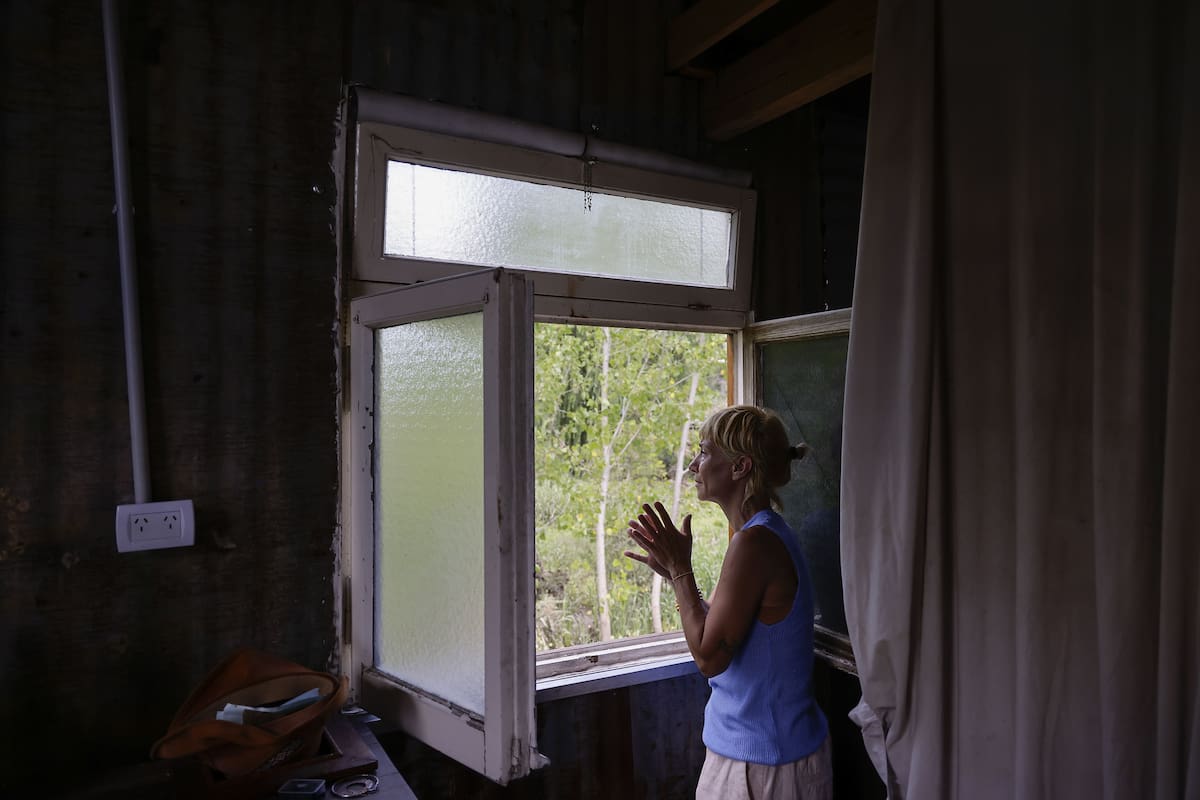
Did you know that living in a dark house can turn your life into a hell of bad moods and sleepless nights? Psychology confirms it: lack of natural light not only affects your mood, but can trigger serious mental health problems. In a country where the sun is abundant, many choose to take refuge in the shadows, unaware that they are digging their own emotional grave.
It all starts with a basic biochemical mechanism: sunlight regulates the production of serotonin, that neurotransmitter that keeps you happy, motivated, and stable. When serotonin levels are at their peak, you feel focused, calm, and in control of your emotions. But when it’s lacking, depression, fatigue, insomnia, irritability, memory problems, and anxiety that eats you up inside appear. It’s a ticking time bomb.
Furthermore, natural light is what synchronizes your biological clock. Thanks to it, your body knows when it’s day and when it’s night, and it secretes melatonin at the right time so you sleep like a baby. Without that signal, circadian rhythms go haywire, and the result is a persistent discouragement that leads straight to apathy and depression. No joke: darkness robs you of energy and the will to live.
But be careful, it’s not all physiological. Mental health specialists warn that a preference for dark spaces can be an unconscious defense mechanism. The shadows become a refuge from the stress of the outside world, a shield against the demands of modern life. But if you get used to hiding in the dark, in the long run you will isolate yourself, lose motivation, and your relationships will go to hell. It’s a vicious cycle that’s hard to break.
And at this time of year, when winter is pressing, homes with little natural light become deadly traps for the most susceptible. Depressive episodes, sadness for no reason, desire to do nothing… all of that can come from not opening the windows. Darkness is not your friend; it’s your silent enemy.
The solution? Let the light into your house as if there were no tomorrow. Maximize the use of windows, paint the walls light colors, and if necessary, install artificial lighting that mimics daylight in the morning. In interior design, look for soft, matte surfaces that reflect light, avoiding internal glass and dark surfaces that turn any room into a gloomy cave.
And don’t forget the ceilings: high ceilings, over 2.70 meters, not only add elegance to your home but also improve ventilation and allow more natural light to enter through large windows. Openings are also key: large, well-placed windows can change your life.
In short, taking all these aspects into account is not an aesthetic whim; it’s a health issue. Sunlight boosts your productivity, improves your cognitive performance, and gives you the energy you need to face the day. The space where you live directly influences your quality of life, so open the curtains, let the sun in, and start taking care of yourself for real. Don’t let darkness win.



Para mí esto es verso de vagos. Si tenés poca luz, salí a la calle como la gente, no seas un encerrado. Prendé un foco y listo, no jodan con depresión. Abran las cortinas, hijos de mil, y dejen de llorar.
che pero para mi es re obvio que la culpa la tiene el capitalismo te encierra en un monoambiente sin ventanas pa que labures 24/7 los ricos se quedan con la luz solar literal basta de vivir como hongos abri las persianas y salta el cerco gato los que defienden las persianas bajas son unos vendidos