
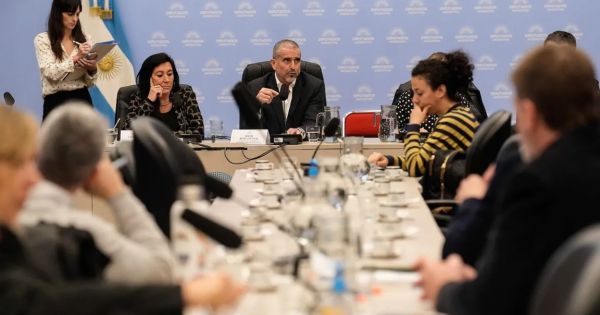
The Chamber of Deputies advanced with the committee report on the reform project of the Central Bank (BCRA) Organic Charter, promoted by the Executive Branch. The ruling party gathered 42 signatures in the Budget and Finance committees, but the debate was marked by clashes between blocs, and the opposition questioned the choice of speakers.
Committee Report and Support from Allies
The project, sent by President Javier Milei, obtained the necessary support to advance to the floor. According to Crónica, the ruling party secured 42 signatures amid tensions with its allies. PRO, which had been criticized by one of the speakers, clarified that it supports the committee report because it considers the project important, although not because of the treatment received.
Speakers and Opposition Criticism
La Libertad Avanza summoned economists Miguel Boggiano, Ramiro Castiñeira, Héctor Rubini, Aldo Abram, and the president of Bolsas y Mercados Argentinos, Claudio Zuchovicki, to defend the initiative. The opposition questioned that there were no official representatives of the project. Deputy Itai Hagman of Unión por la Patria joked: «It looks like a streaming show, all that’s missing is Gordo Dan to explain the project,» referring to libertarian streamer Daniel Parisini. He then added: «They are four friends of the government who have no public role.» After his statements, Peronism withdrew from the committee.
Clash Between Boggiano and PRO
One of the most tense moments occurred when Boggiano, defending the project, stated: «Twelve trillion (…) % this is the abominable inflation number that has accumulated since the creation of the BCRA, a number that reflects how different democratic, radical, developmentalist, Peronist, military, Kirchnerist, and Macrist governments used the Central Bank to defraud Argentina.» That mention of Macrism triggered a reaction from PRO. Deputy Fernando de Andreis challenged the president of the Budget committee, Alberto Benegas Lynch, who apologized: «I apologize if it offended you, and I always give credit to PRO for always accompanying us.»
Project Context
The reform project of the BCRA Organic Charter was announced by President Milei in a Cabinet meeting held after the Independence Day events, according to the Presidency of the Nation. On that occasion, Milei provided details about the initiative and anticipated that the official announcement would be made in the coming weeks, before sending it to Congress. Participants in that meeting included Chief of Staff Diego Santilli; Economy Minister Pablo Quirno; Security Minister Alejandra Monteoliva; BCRA President Santiago Bausili; and other officials.
Practical Impact of the Reform
The reform of the BCRA Organic Charter could modify the functioning of the monetary authority and directly affect citizens’ economy. According to the project, it seeks to change the Central Bank’s role in monetary issuance and its relationship with Treasury financing. Although specific details have not yet been officially released, the initiative is expected to have consequences on inflation, credit, and the value of the currency.
- Immediate effects: The approval of the committee report in committees accelerates its processing on the floor, which could lead to a law in the short term.
- Conditional effects: If the Organic Charter is modified, the BCRA could stop financing the Treasury, which would impact monetary issuance and potentially inflation.
- Uncertain effects: The details of the project are not yet known, so the impact on the financial system and citizens’ pockets will depend on the final text and its implementation.
What to Follow
It is key to closely follow the debate on the floor of the Chamber of Deputies and any modifications that may be introduced to the project. It is also advisable to monitor statements from the Central Bank and the Ministry of Economy on the scope of the reform, as well as the reaction of markets and financial entities.
Fuentes consultadas
- Crónica
- Argentina.gob.ar Fuente primaria
El Sereno contrastó las fuentes enlazadas y añadió contexto, comparación o análisis documental. Las fuentes primarias están identificadas. La nota no se presenta como investigación de campo ni como entrevista propia, salvo indicación expresa.
Comentarios