
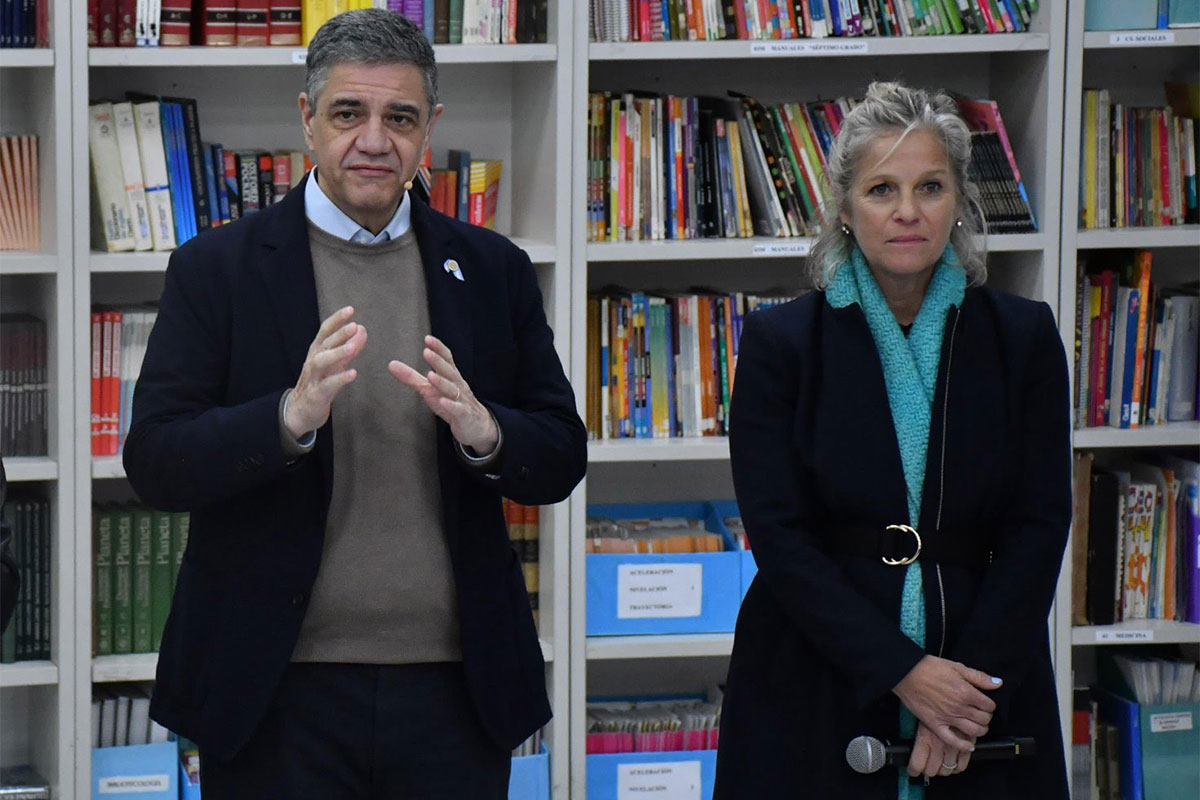
While attention was focused on the World Cup and the winter break, Jorge Macri’s government and Education Minister Mercedes Miguel signed Decree 256/2026, which modifies the regulations of the Teacher Statute. Although full implementation is scheduled for 2027, the reform is already established and represents an unprecedented attack on the working conditions of Buenos Aires teachers.
Far from being a «modernization,» the reform is a true labor reform that seeks to discipline teachers through a system of rewards and punishments. The focus is no longer on improving teaching, but on controlling those who work in schools, in line with Javier Milei’s reforms for other workers.
One of the most criticized changes is covert presenteeism: those who do not achieve 90% attendance will not be able to access «Outstanding» or «Very Good» ratings, except under very restricted exceptions. Getting sick, taking leave, or exercising the right to strike will directly affect the teaching career. The reform also reduces exam leave from five to three days, restricts leave for personal reasons for those with more than one position, and concentrates decisions in the Ministry that were previously made by schools.
Teacher unions denounce that the goal is to establish a regime where going to work sick becomes the norm. While the government talks about «professionalization,» it penalizes those who study to train themselves and increases bureaucratic control.
Another central aspect is the modification of the teaching career: seniority loses weight in competitions, pedagogical background such as publications or research disappears, and the influence of the Bachelor’s Degree in Management—from private universities like San Andrés—increases for access to management positions. Competitions will now be held every two years, and transfers during the first years are limited. The trajectory built in schools is replaced by a meritocratic system that ignores real working conditions.
The reform has a strong gender impact: teaching is one of the most feminized sectors. Thousands of teachers also handle caregiving tasks at home in addition to schoolwork. Imposing presenteeism and restricting leave especially penalizes those facing a double or triple shift.
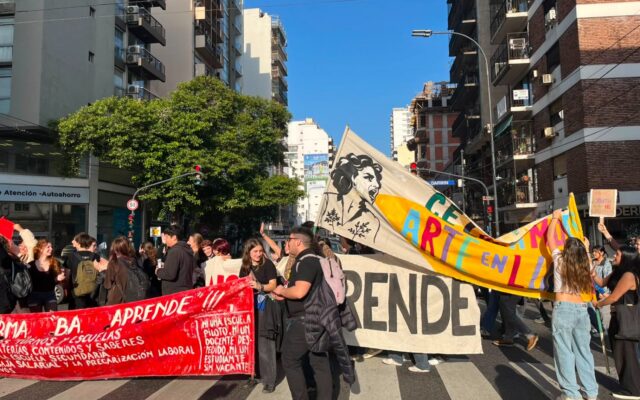
The decree adds to BA Aprende, the closure of positions in adult education, the reduction of committees in technical training institutes, and the emptying of educational programs. In all cases, the government moves forward without consulting teachers and students, seeking to weaken collective organization.
However, experiences in secondary schools show that it is possible to stop these policies. Students at Yrurtia managed to halt their school’s entry into BA Aprende through a takeover and community organization. Lola Mora, Nini Marshall, Comercial 35, and Lengüitas began coordinating actions against the educational reform, supported by teachers, families, and Ademys.
Faced with this offensive, the solution cannot be individual. It is necessary to discuss the reform in every school, call assemblies, demand plenaries of delegates with mandates, and promote a coordinated struggle plan with students and families. We cannot return to classes after the break as if nothing had happened.

Para mí esto es un golazo de Jorge Macri. Los docentes porteños lloran por todo pero no quieren laburar. Si se enferman tanto que se jubilen de una vez. La huelga es un curro sindical. Yo creo que la meritocracia es la única forma de sacar a los vagos. Viva la libertad carajo.
Para mí esto es un choreo a mano armada de Jorge Macri, un facho de mierda que quiere destruir la educación pública con su reforma gorila. Presentismo encubierto y menos licencias? Se van a cagar los docentes, esto huele a ajuste contra los pibes. Bancamos a los maestros, abajo el ajuste!