
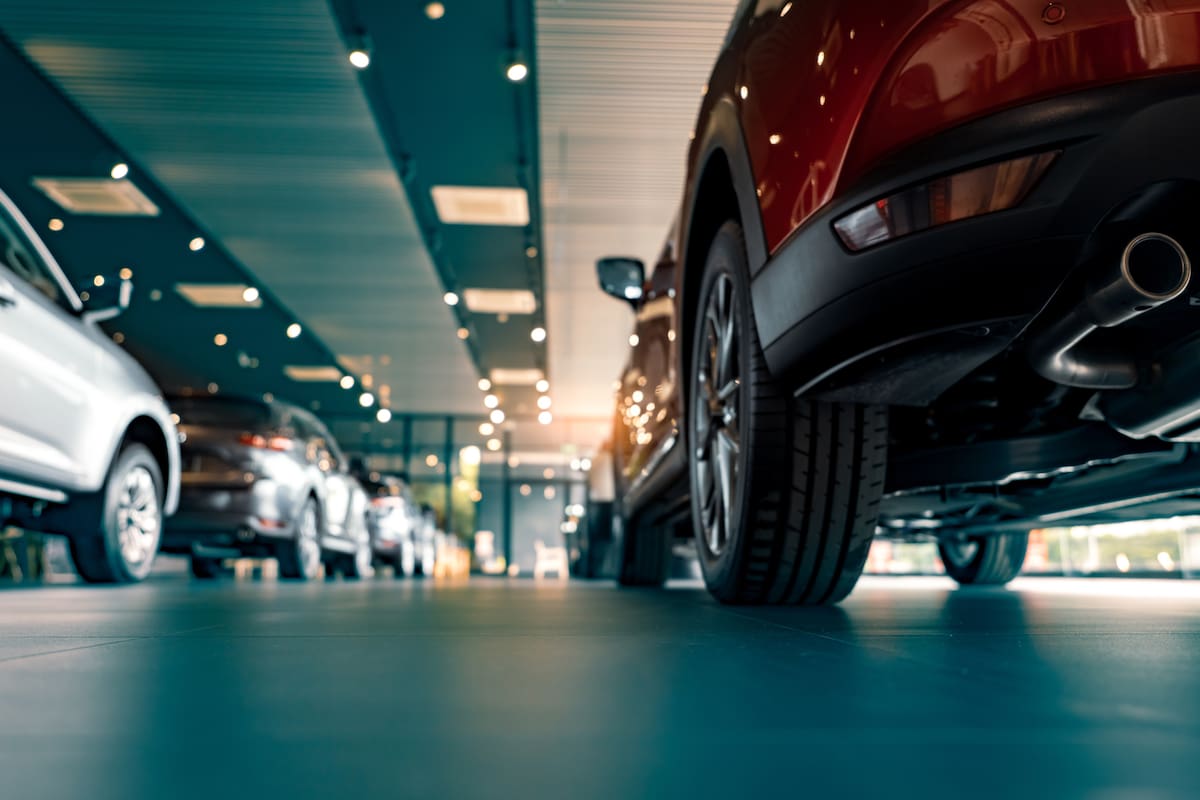
Buying a used car is one of the most common transactions in Argentina, but also one that can cause the most headaches if you don’t know all the costs involved. During the first five months of the year, 736,136 transfers were made, 5% less than in the same period of 2025, according to the Chamber of Automotive Commerce (CCA). And with the changes implemented by the government, many believe the process is cheaper, but the reality is different: costs vary depending on the model, the vehicle’s origin, and above all, the province where it is done.
The main fee is calculated as a percentage of the car’s fiscal valuation. For cars manufactured in Argentina, it is 1%, while for imported ones it rises to 2%. That’s just the tip of the iceberg. Then come provincial taxes: in CABA and the province of Buenos Aires, for example, a 3% stamp tax is applied. And to that you must add the infraction report, Form 13, and the mandatory police verification. The result: the final cost can be very different depending on the district.
The transfer of ownership is not a simple bureaucratic procedure: it is the only process that legally certifies the vehicle’s ownership and disassociates the seller from future civil, criminal, or tax liabilities. Therefore, it is not advisable to rush or be swayed by tempting prices without verifying all costs.
The procedure can be done at the registry where the car is registered or at the buyer’s domicile registry. The first step is to complete an online preload on the official website of the National Directorate of Automotive Property Registries (DNRPA) and then request an appointment for in-person processing. For this, you need the Type 08 Application signed and certified by the seller, the vehicle title, valid ID cards, the buyer’s ID, and proof of CUIT, CUIL, or CDI. Additionally, police verification is mandatory and valid for 150 business days.
One fact many ignore: the debt-free certificate for infractions is no longer mandatory. Now it is only included if the buyer requests it. But be careful, because if you don’t request it, the buyer could inherit fines from the previous owner. So it’s better not to skimp on that point.
In summary, before closing the purchase of a used car, you need to sit down and crunch the numbers: fiscal valuation, percentage based on origin, stamp tax, and all additional costs. It’s not the same to transfer a car in Córdoba as in Santa Fe, and the difference can be several thousand pesos. The experts’ recommendation is to consult the corresponding registry before signing any purchase agreement. Because afterwards, crying won’t help.


pa mi esto es otro choreo del sistema capitalista pa cagar al laburante impuestito por aca impuestito por alla mientras los ricos se rien compay revisa bien la valuacion fiscal porque te van a romper el orto abrazo de clase firmado ElCheViveEnMiCorazon
Para mí estos impuestazos provinciales son una estafa de los zurdos que quieren cobrarte hasta el aire que respirás. Transferir un auto debería ser rápido y barato pero te clavan costos ocultos que explotan tu presupuesto. Yo creo que hay que sacar a los chorros de la política y poner orden ¡basta de abusos!