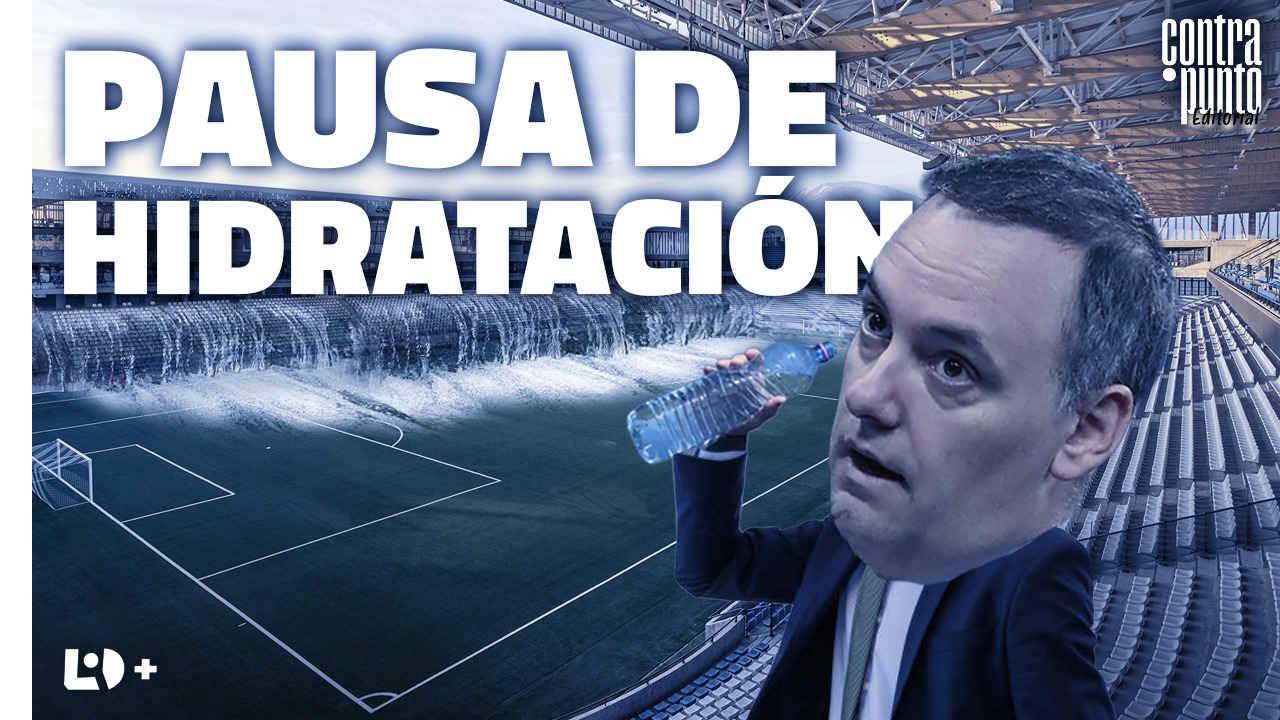
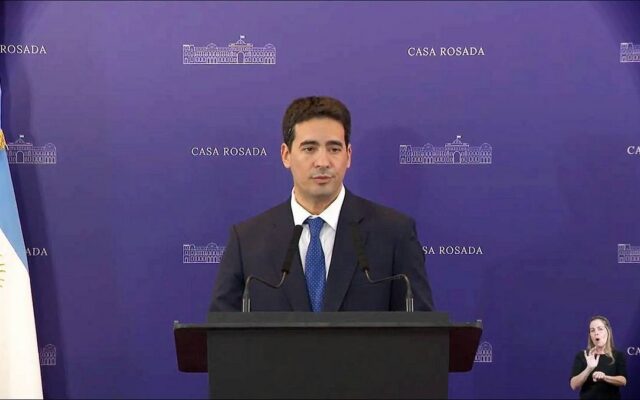
The National Congress became the stage for a new pact of impunity. While citizens await answers on inflation and austerity, legislators busied themselves with shielding Manuel Adorni, the presidential spokesperson, in a maneuver that reeks of political rescue. The move, orchestrated behind the scenes, seeks to prevent Adorni from facing consequences for his controversial statements and actions. But that’s not all: at the same time, Javier Milei’s government is moving full steam ahead in granting benefits to big businessmen and vulture funds—the very same ones that speculate with foreign debt and plunge the country into misery.
The package of measures includes tax exemptions and credit facilities for concentrated economic groups, while workers continue to lose purchasing power. Labor market data released in recent days is the perfect reflection of the Milei model: more precariousness, fewer rights, and an increasingly battered working class. Meanwhile, vulture funds celebrate: the government guarantees them debt repayment with the highest interest rates, at the cost of the people’s hunger.
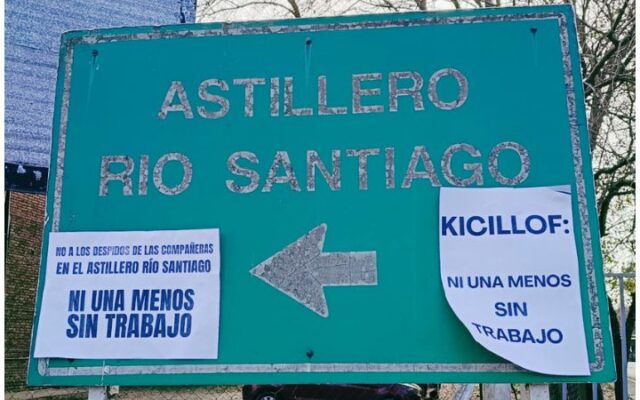
But the internal political strife shows no respite. Peronism, far from finding a way out of its crisis, adds new chapters to a novel that seems never-ending. The clashes between Máximo Kirchner and Axel Kicillof intensify, with score-settling and mutual accusations. While Kicillof seeks to consolidate his leadership in the province of Buenos Aires, Kirchner accuses him of weakness and of not firmly confronting the national government. The tug-of-war threatens to further fragment Peronism, which fails to build a solid alternative to Milei’s austerity.
Meanwhile, in Bolivia, the political situation is reaching a boiling point. The betrayal of the Bolivian Workers’ Central (COB) left popular sectors without their main tool of struggle. In response to protests and blockades demanding solutions to the economic crisis, President Luis Arce and his minister Rodrigo Paz decreed a state of exception. The measure, far from seeking dialogue, aims to repress demonstrations with a heavy hand. «Pacification at gunpoint» is the Bolivian government’s response, which prefers repression over listening to the demands of workers and indigenous peoples.
In this context, the editorial counterpoint of the week leaves no doubt: while politicians fight for their own interests and governments protect the powerful, the peoples of Argentina and Bolivia continue to pay the cost of a model that only benefits a few. The lingering question is: how much longer will we endure?

che q bronca blindan a adorni y le dan plata a los buitres para mi este gobierno es un circo los peronistas se pelean entre ellos y los bolivianos sufren represion un desastre total viva la libertad carajo @ElCipayo
che para mi estos forros nos toman por pelotudos blindan a adorni y le dan todo a los buitres y empresarios chorros mientras kicillof y maximo se pelean las migajas y en bolivia reprimen a los laburantes podridos todos viva la lucha obrera carajo