
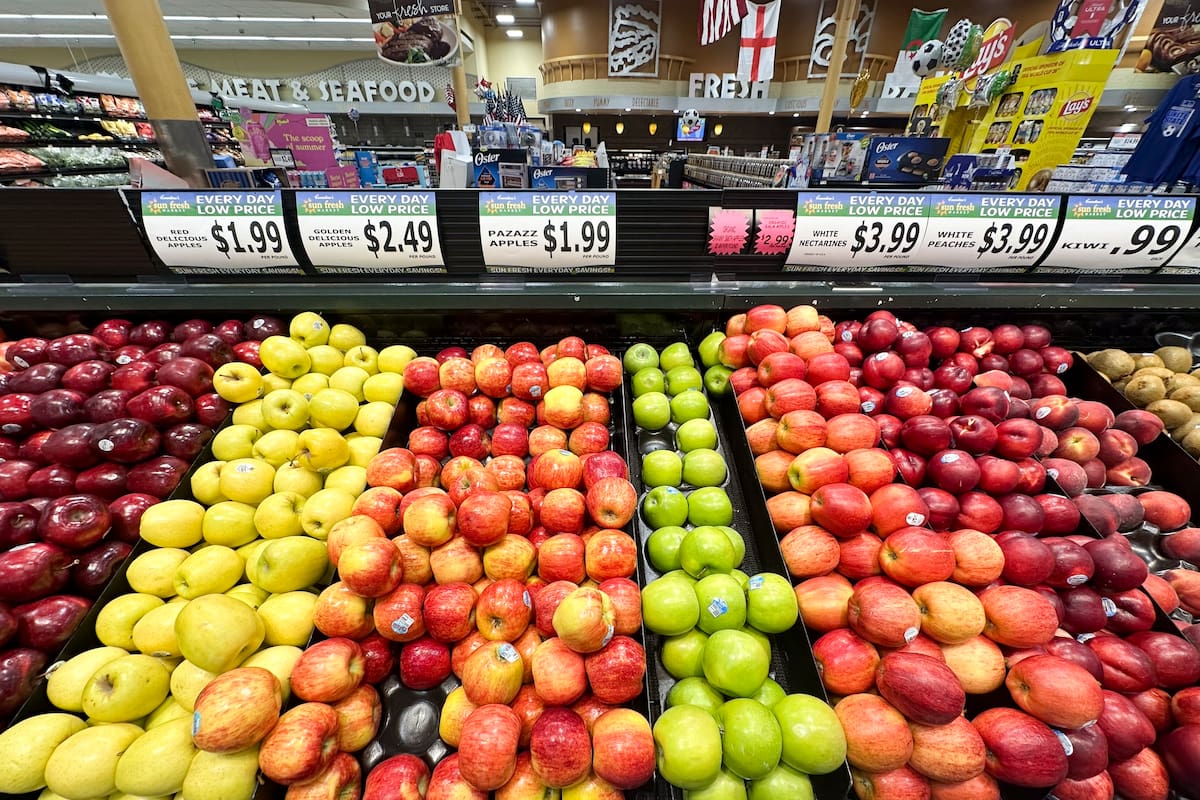
In a move that promises to be a before and after in the fight against food insecurity, San Francisco has just gone all in on a plan that targets the pockets of retail giants. It’s the Affordable Groceries Act, an initiative that seeks, nothing less, to lower food prices for local consumers. How? By imposing a tax on large supermarket and pharmacy chains that keep empty stores, and creating incentives for new businesses to occupy those spaces in the most underserved neighborhoods.
The proposal, pushed by Supervisor Bilal Mahmood, targets a practice that has many seeing red: companies like Safeway or Walgreens maintaining lease contracts on stores without operating them, preventing other businesses from setting up. According to Mahmood, this is a direct barrier to access to fresh products for residents. “We’re talking about an inequality gap that affects about 110,000 CalFresh users,” the official said, making it clear that this is serious.
The plan rests on two pillars. On one hand, the commercial vacancy tax, which penalizes those dead spaces that large chains hold without using. On the other, a stimulus program for new openings, including tax credits and simplified permits so that new supermarkets can occupy those recovered spaces. All with a clear goal: that residents of neighborhoods like Tenderloin, Mission, and Bayview stop being hostages to lack of supply and skyrocketing prices.
The move is not new. The initiative is partly inspired by the plan pushed by Zohran Mamdani in New York, and also draws on local experiences like the Healthy Retail SF program, which between 2017 and 2021 managed to convert traditional liquor stores into fresh food markets. An example is Dalda’s Community Market, in the Tenderloin, run by Satwinder Multani. “It took us a while, but now I think we’re doing much better than when we had the smaller store. I see more families shopping here,” Multani said, showing that the model can work.
The resources raised by the vacancy tax would go into an affordable food fund, which could also receive private donations. The idea is that the city can buy empty properties and rent them below market price to businesses that sell food at lower cost. A move that, according to supporters of the measure, is key to transforming the food system in San Francisco.
The project has already gained initial support from food justice organizations and sector unions. Andie Sobrepeña, from Farming Hope, called it a “necessary step forward.” Now, the ball goes to the Board of Supervisors, which will vote on the plan in July. If it advances, the initiative could end up on the November 3 ballot, so that citizens themselves have the final say.
Meanwhile, food prices remain a headache for thousands of families in San Francisco. The question is whether this move will be enough to curb speculation and ensure that everyone can fill their fridge without emptying their wallet.


che pero q pelotudez es esta? para mi es un curro mas de los zurdos de san francisco imponer impuestos a supermercados vacios asi nomas encima quieren bajar precios con mas impuestos no da ni pa creerlo vayan a laburar vagos fdo el tano
Para mí esto es un golpe de realidad a esos hdps de los supermercados que cierran locales para especular. Me parece que San Francisco se la juega bien, a cagarlos a impuestazos y que la comida llegue al pueblo. Viva la Affordable Groceries Act, carajo, esto huele a justicia.