
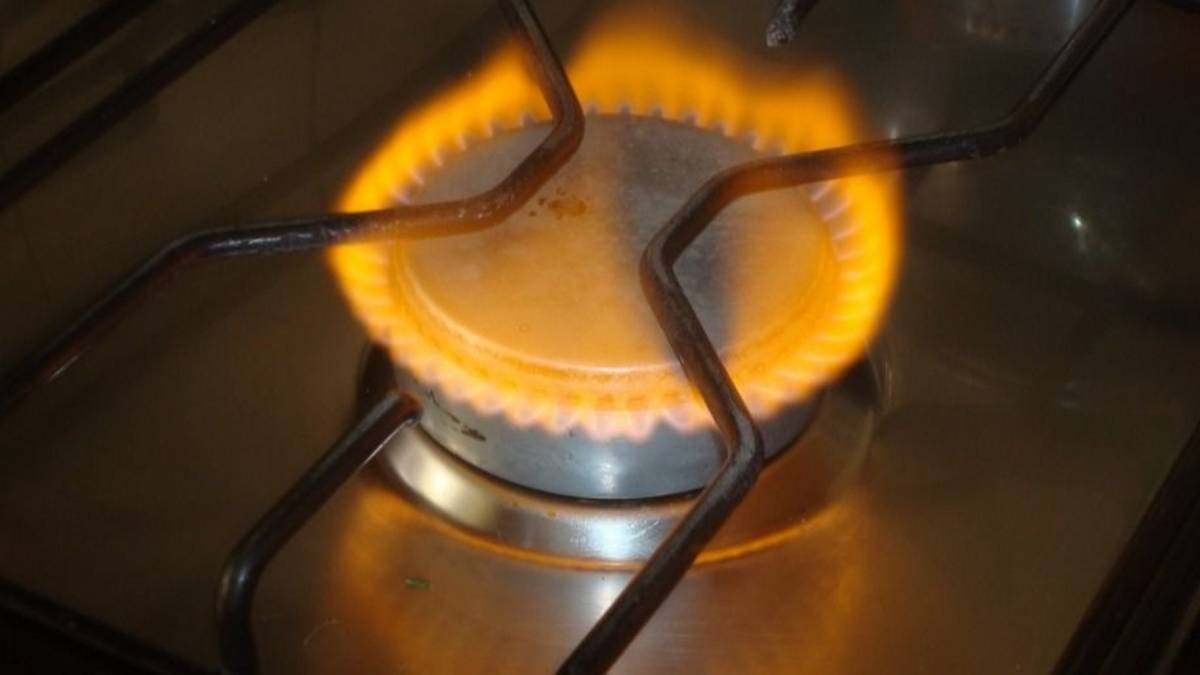
In a context of relentless tariff hikes and adjustment, the government of Javier Milei doubles down: Energy Secretary Martía Tettamanti confirmed that regulatory changes are advancing to pass cost differences in the gas system onto household bills more quickly. The news hit like a bucket of cold water in the middle of winter, when bills are already seeing increases exceeding 50% compared to the previous month.
During the Midstream & Gas Day 2026, Tettamanti was clear and direct: the state must abandon any intervention in determining the price of gas. “The price of gas is what it has to be,” the official shot, making clear that market logic is the only rule. “I cannot say ‘gas has to cost this much’; we have to make the rules as clear as possible so that prices emerge from competition,” she added, in a speech that contrasts with decades of energy policy where the state cushioned increases.
What Tettamanti anticipated is a change in the cost pass-through mechanism that promises to make increases more frequent. Until now, daily differences were compensated twice a year; the new scheme will seek to reflect those costs “more frequently” in bills. In plain language: any rise in gas costs, imports, or system operation will hit Argentines’ pockets faster.
Asked who will end up paying the bill, the secretary was brutally honest: “Yes, the user will end up paying it, but with less seasonality between winter and summer.” In other words, goodbye to winter peaks, but hello to a constant drip of increases throughout the year. The official explanation is that differences between seasons will be smoothed out, but the reality is that any cost increase will have an express lane to impact residential bills.
Meanwhile, the numbers don’t lie. According to the latest report from the Interdisciplinary Institute of Political Economy (IIEP) of UBA-Conicet, the average gas bill for an unsubsidized residential user reached 71,732 pesos per month in May. For those still receiving state assistance, the average was 52,040 pesos. For high-income users (N1), the average was around 49,972 pesos. But the most striking fact is that the final bill registered a 53.3% increase in just one month, due to the combination of higher tariffs and the jump in consumption from the cold.
The IIEP report also reveals that average consumption nearly doubled between April and May. “The most relevant component is gas, whose bill almost doubles compared to April due to the combined effect of the tariff increase and the jump in consumption typical of this time of year,” the document states. In a scenario where wages are still struggling to recover ground against inflation, these increases are a hard blow for families.
Public accounts also show significant movements. ENARSA registered a 282% nominal and 211% real increase in its transfers. The Trust Fund for gas consumption increased 223% nominal and 150% real. In contrast, transfers for the Plan Gas.Ar program showed an 18% nominal and 37% real decline. The program, which encouraged investment and production, seems to be forgotten as the market takes the reins.
The economic philosophy of the Milei administration was laid bare: the state should not set prices. “The state should not set gas prices; it should be worth what the market says,” Tettamanti stated. A definition that marks a break with the past, when energy was considered a strategic good and the state intervened to moderate the impact of international variations. Now, the market rules, and users pay.

Para mí este gobierno es una basura, el tarifazo gasífero es un ajuste criminal contra el pueblo. Tettamanti es una lacra del FMI que nos mata de hambre, el gas es un derecho no un negocio. Yo creo que Milei y estos liberales hijos de mil p nos quieren fundir, fuera basura capitalista.
Para mí esto es un golazo, al fin el mercado pone los precios como tiene que ser. Los zurdos llorando porque tienen que pagar el gas a valor real, dejá de chorear. Si no les alcanza, que laburen más y dejen de pedir subsidios. Viva la libertad carajo!