
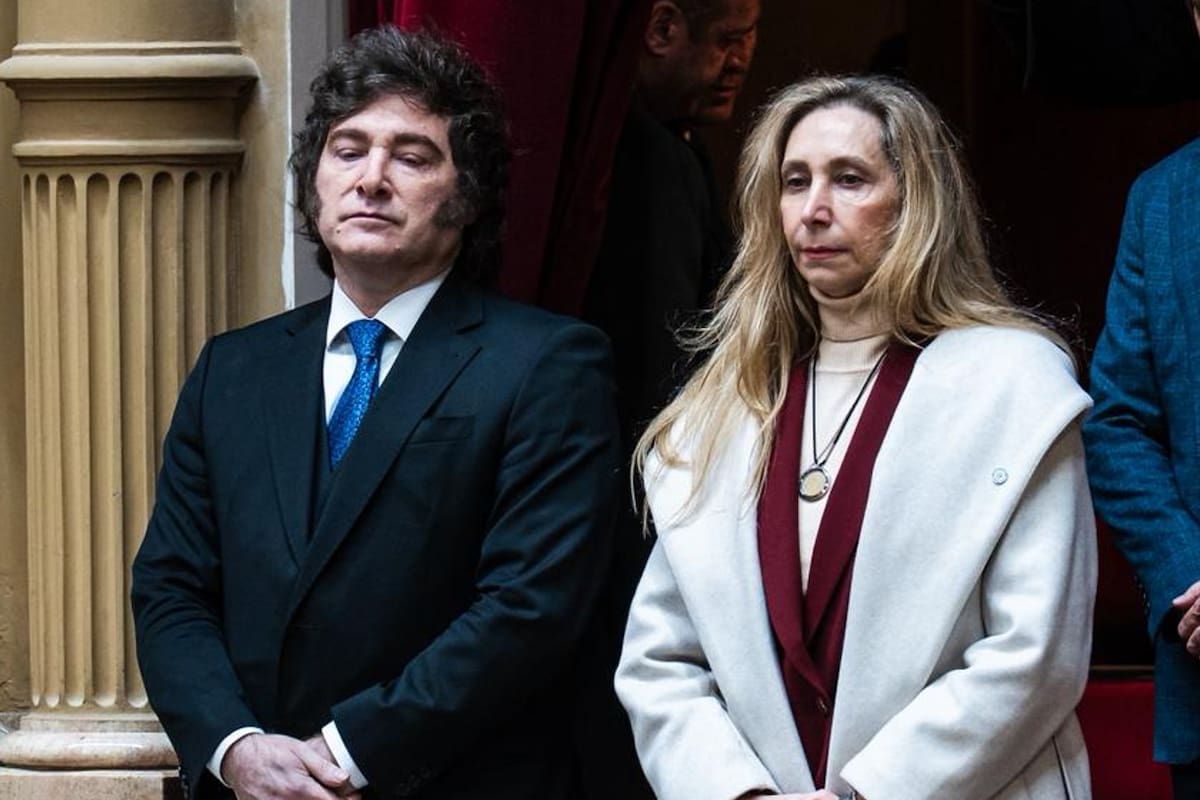
The modification in the selection of candidates for the Supreme Court is not an isolated event. It adds to a series of decisions promoted by the government that, under arguments of efficiency, reduced citizen participation, limited access to public information, or restricted technical oversight. Five cases that show the same trend: less external control, more concentrated power.
1. Access to information: a blank check
Decree 780/2024 modified the regulations of the Public Information Access Law. The rule limited the concept of «public information» by excluding data considered «private in nature» or without «compromised public interest,» especially in the domestic sphere of officials. «The vagueness of this restriction is a true blank check to hide whatever is uncomfortable,» warned the Argentine Political Club. Poder Ciudadano recalled that «information is presumed public and secrecy is the exception.» The decree also excluded preparatory documents and enabled sanctions for «abusive» use of the right. The then Treasury Attorney, Rodolfo Barra, had already laid the groundwork by rejecting requests about the President’s dogs in Olivos.
2. Intelligence: powers without control
At the end of 2025, Decree 941/2025 reorganized the State Intelligence Secretariat (SIDE), granted it new coordination powers, and expanded access to databases. It established that all activities have a «covert nature» and enabled agents to «apprehend» people in flagrante delicto. It also incorporated broad concepts such as «influence» or «interference» as threats. Constitutional law experts warned about discretion. «Neither necessity nor urgency in the DNU. It grants extraordinary powers to the president; an official will be able to detain people in public spaces,» they questioned.
3. Lobbying law: monitored participation
The official bill to regulate interest management, presented as a transparency tool, generated criticism. It creates a mandatory registry and the figure of the «foreign principal,» but uses a broad definition that would reach NGOs, universities, and civil associations. During meetings in the Chamber of Deputies, civil society representatives warned that it «criminalizes» citizen participation and subjects it to a scheme of «monitored participation.»
4. Budget Office: silenced
In June, the OPC Oversight Committee, dominated by the ruling party, limited its ability to prepare extraordinary reports without prior authorization. The measure came after the OPC contradicted official calculations on pensions and disability, and one of its reports was cited by the judiciary to demand compliance with the University Financing Law. For the opposition, access to independent technical information is restricted.
5. Supreme Court: without citizen participation
Decree 467/2026 eliminated the procedure for citizen observations prior to the presidential nomination of candidates for the Court and lower courts. Until now, universities, professional associations, and citizens could submit objections. The government argued that it duplicated Senate controls. «Let us not go backward in institutional quality. Transparency is not a hindrance: it is a republican guarantee,» warned specialists.
In two and a half years, Javier Milei’s government advanced on five fronts to reduce transparency and external control. The decisions, although presented as modernization, generate debates about the concentration of power and the weakening of republican institutions.

para mí este gobierno es una dictadura encubierta, Milei es un facho hijo de puta que nos quiere robar hasta la dignidad. borrar la transparencia es un golpe a la democracia, menos control ciudadano y más oscuridad para el pueblo. esto huele a mierda pura, viva la lucha carajo!
Para mí este título es un lloriqueo de zurdos resentidos. Milei está limpiando el curro de ONG que vivían mamando guita del Estado. Transparencia es que no te afanen los impuestos, no que el periodismo militante tenga pase libre para cajonearte causas. Viva la libertad carajo, no al gorilismo progresista. VLLC!