
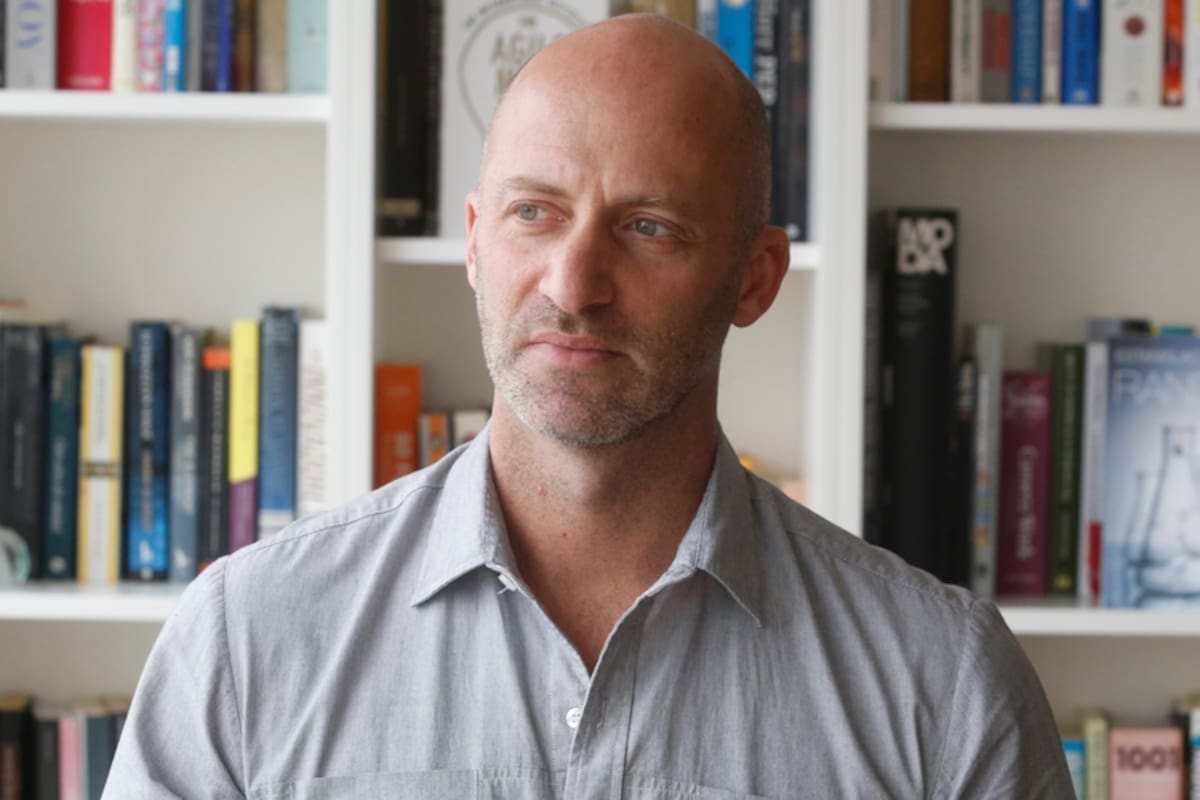
Doctor in molecular biology Estanislao Bachrach shakes contemporary thought with a statement that promises to change lives: “Well-being or decision-making does not depend on what I have, but on what I am and what I want to be.” In an interview, the Argentine scientist exposes his vision on emotional stability and proposes a radical paradigm shift to achieve personal fulfillment through sensory intelligence.
Bachrach, recognized for his research on the brain and emotions, maintains that anyone can access self-knowledge, although sometimes they need guidance. “Many of us cannot access it alone; we need a coach, a therapist, a best friend. Sometimes one gets enlightened by reading a book or listening to a podcast,” he explained. However, he warns that the path requires discipline, time, and effort—qualities scarce in the modern adult.
The specialist highlights that constant practice modifies neurons: “You begin to modify the structure and, sometimes, the function of certain areas of the brain. Especially attention, because meditating is bringing attention to a single place.” Bachrach assures that brain changes are visible in MRIs, but warns that the great challenge is sustaining the practice over time: “If you go to the gym to do biceps for two months and then stop going, the muscle returns to its place. The same happens with the brain.”
Modern science validates the impact of meditation. Bachrach states that today there is “a lot of scientific evidence of its impact on feeling better.” And he throws out a provocation: “Who doesn’t want to feel better in life? These are free tools, easy to learn, but they require patience, effort, discipline, perseverance… things that adults don’t have.”
In a personal turn, Bachrach reveals his own battle against chronic migraines. “I began to realize, with the help of a cognitive-behavioral therapist, that besides hurting a lot, I suffered a lot. That’s when I started to distinguish the difference between suffering (which has more to do with the mind) and pain, which is something natural that happens to the body and always goes away. Pain appears and always goes away. Now it still hurts, but I no longer suffer,” he confessed.
Faced with a crisis, the expert suggests finding one’s own tools to transform suffering into pain. “Each person has to find their own tool or tools so that suffering becomes just pain. And seeking help, sometimes, is not about a doctor, nor does it have to be a therapist. It can be a person, a family member you love or who loves you, a best friend,” he concluded.
Bachrach’s proposal is an invitation to leave behind the culture of having and embrace being. In a fast-paced world, his message resonates as a call to introspection and personal transformation. Are we ready to listen?



Para mí esto es humo new age de un científico vendiendo espejitos de colores. El bienestar se consigue laburando como un negro, no meditando como un hippie de mierda. Migrañas crónicas? Tomá un ibuprofeno y bancátela como un hombre. Los zurdos y sus pelotudeces esotéricas me tienen podrido.
che bachrach q verso berreta con su meditacion de cheto para mi el bienestar se construye colectivamente no con el ombliguismo individualista sufrís migrañas? tomate un antiinflamatorio y deja de misticismo burgués tu dolor es material no mental gil