
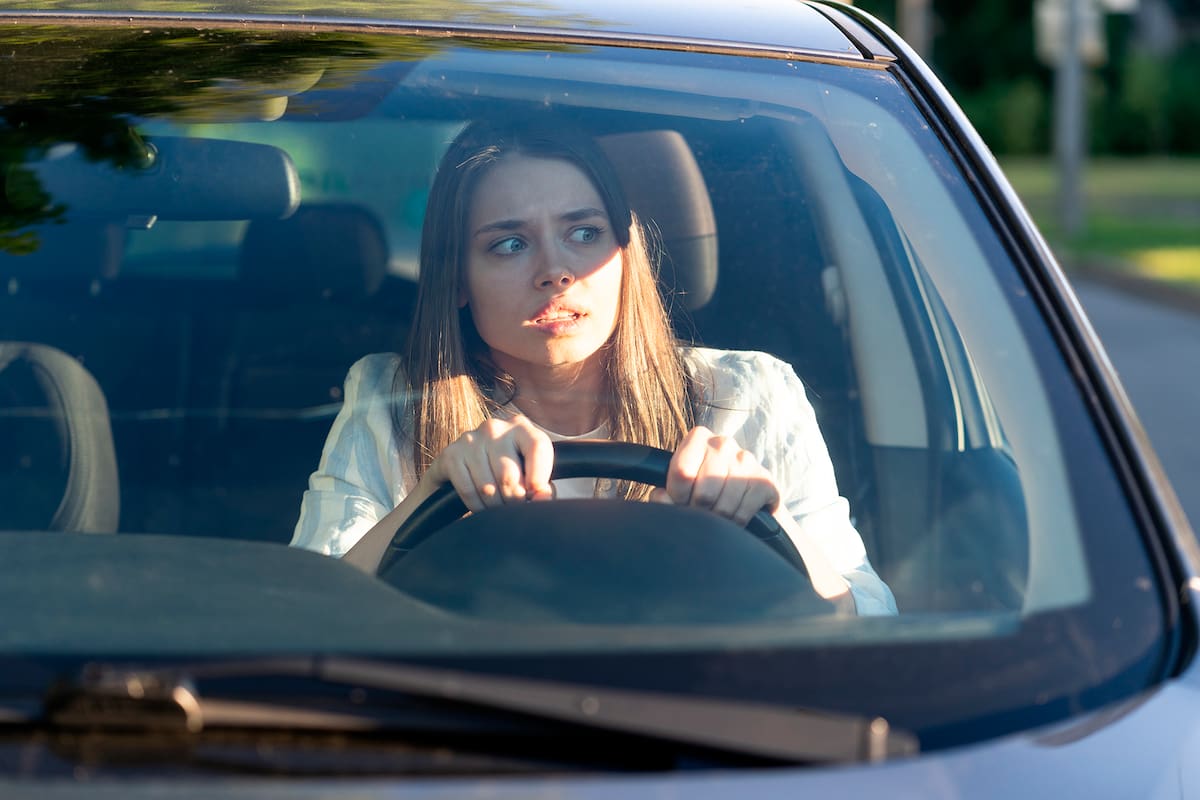
Fear of driving is not a simple annoyance: for many, it becomes a prison that prevents them from fulfilling dreams and moving forward in life. According to psychologist Amorina Díaz, a specialist in amaxophobia, behind each case there is a life story and, often, a postponed dream that can take up to three decades to overcome.
“A person who is afraid of driving loses independence and self-confidence; then, they don’t dare, for example, to change jobs or ask for a salary raise when they need it,” explained the professional, who claims to have over 1,500 success stories to her name.
Amaxophobia does not discriminate, but it has a profile: most patients are women between 30 and 50 years old. “Although there are also cases of younger people, it doesn’t affect them as much because they can use public transportation. In contrast, a woman who is a mother and has to take her children to school or who has moved far from her job is more affected by the need to drive,” Díaz detailed.
Behind each person with this fear lies a dream to fulfill: visiting a loved one, taking children to school, getting a better job, or simply regaining autonomy. The pandemic, according to the specialist, left a lesson: “It helped us, as a society, to understand that we are finite beings. That awareness made many dreams that were previously postponed begin to become a priority.”
The causes of fear of driving are varied. The first is related to inhibited people who worry about what others will say. The second responds to overprotective parenting styles. The third, more common in men, arises from a traumatic event such as a road accident. A sociocultural component also plays a role: family histories where women never drove or environments where fear of driving was transmitted.
The first indicator of the phobia is avoidance: the person makes excuses not to drive. Added to this is an intense fear when getting behind the wheel and the belief that something bad will happen. Many do not identify that they suffer from a treatable disorder. There are two types: partial, where one drives only in familiar areas, and total, where one does not drive under any circumstances.
A testimony collected reflects the severity of the problem. “I got my license at 18 because I lived in Pilar and mobility was difficult. I did well at driving school, but when it was my turn to go out alone, I would simply let go of the steering wheel because I imagined the worst scenarios,” recounted Manuela, 26, who has not driven for five years despite owning her own car.
Treatment, with professional support, usually lasts about three months. The first stage seeks to “restructure” the way of thinking so that the person stops associating driving with danger. Then, it is recommended to practice accompanied, ideally on a Sunday morning when there is little traffic. As fear decreases, one progresses to short trips without company.
Díaz called for building a more friendly road coexistence: “Drive with empathy, take care of your own safety and that of others, and understand that reacting with anger after a crash solves nothing.”



para mi esto es otra excusa de zurdos para no laburar amaxofobia es debilidad pura dejate de joder y agarra el volante como un macho las minas de 30 a 50 se hacen las victimas pero en la calle te pasan por arriba con el celular argentina se va al carajo por blanditos
Para mí esto es otro verso del patriarcado para tenernos encerradas en casa. ¿Miedo a manejar? ¡Basta de excusas! Agarrá el volante y salí a laburar, no seas cagona. La amaxofobia es un invento para que las mujeres de 30 a 50 años no tengan independencia. ¡Dejá de llorar y lucha!