
The city of Buenos Aires is big. So big that it has 48 neighborhoods grouped into 15 communes and different gastronomic hubs in all four cardinal points. Among these, there is one that is different from the rest: it has no neighbors around, no buildings, no houses, it is not easy to access, and you must go by car. This is Costanera Norte, an area that is slowly returning, eager to become the new gourmet epicenter of Buenos Aires, attracting the most exquisite local and foreign audiences.
Some time ago and for several decades, Costanera Norte shone for its exclusive hideaways. With places like Clo-Clo, Los Años Locos, Ski Ranch, Colorado El 18, Los Platitos, and Pachá, among others, it was packed with people, setting the trend for sophisticated consumption of a generation of bon vivants. The spaces were frequented by celebrities, soccer players, and entire families to enjoy a lunch, a gathering with friends, or an intimate dinner. Tickets sold out, and it was almost impossible to get a table or find parking. Over time, that became a thing of the past: after that golden age, the area fell into neglect, losing its splendor and unable to recover… until today.
Nowadays, the area has modernized: more green spaces, better building maintenance, improved traffic and access, and more restaurants inviting people to return and (re)discover what was once known as «the longest bar in the world.» We toured the circuit, visited the new places, and checked out some classics: from grilled meat to Italian pasta, from Peruvian ceviche to Japanese sushi, there are offerings of all kinds and flavors from different latitudes. There is also music, craft cocktails, and specialty coffee. So on your marks, get set, go. Everyone is invited to discover the new gastronomic highway of the Queen of the Plata.
One of the highlights is Costa 7070, a restaurant that perfectly combines food and drinks. Under the direction of the duo Pedro Bargero in the kitchen and Inés de los Santos at the bar, at Costa 7070 you eat very well, drink superbly, and the service is very courteous. With two floors and space for reception, the rectangular central bar draws attention with its image projection on its upper wing. With several rooms, the DJ’s chosen playlist plays in the air. The menu is divided into portions of different sizes and origins: very original are the pacú riblets with lime and lemon mayonnaise, as well as the rustic seafood fritters, and the grilled sweetbread skewer on potato mille-feuille with cream and confit leek threads was a pleasant surprise. Among the seafood portions, the braised octopus then smoked on the grill with cachi oil and paprika gets all the applause; and in the grilled portions, the grilled ribeye cap portion steals the show, as does the special Argentine Wagyu beef cut with red chimichurri. The signature cocktails they offer are all unique and elegant: try the Frencho Umbe (gin, carrot and dill cordial, Strega drops, Chandon Extra Brut) and the Parque Leloir (Cantieri Navali vermouth, Malbec and eucalyptus verjus, shiso, Sauvignon Blanc). Complete wine list, and from 11:00 PM the upper floor becomes «Costa Brava,» a club where the tide breaks and music plays.
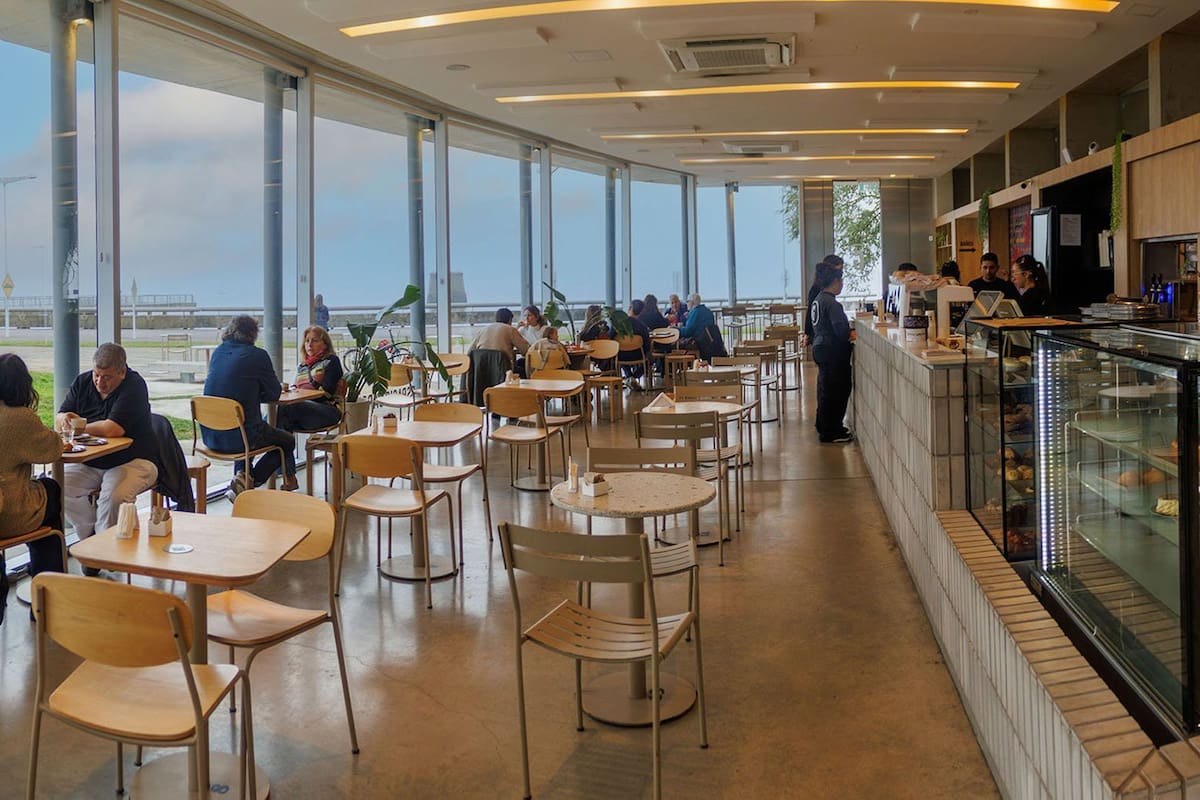
Another standout venture is that of Malena Sivak and Ignacio Lombardi, lawyers who dedicated themselves to the legal world until they opened their first coffee shop in the Saavedra neighborhood. Three years ago, they won a bid, opened their second location in Costanera Norte inside the Parque de la Memoria, and it is the only spot in the entire area with a view of the river, including a dock. The place is very spacious, bright, with huge windows. They offer specialty coffee prepared in different ways: from an espresso, cappuccino, flat white to an Iced Latte Dubai with chocolate ganache, ice, and pistachio sauce, or a frappuccino. Open early, it offers comforting options like hamburgers, salads, falafel wrap, pumpkin and caramelized onion tart, mbejú with fried egg, among others. All pastries are homemade; try the homemade tita cookies, the red fruit and peanut pepas, and the milk bread with pastry cream and fruit jam. During the day, it is frequented by students from Ciudad Universitaria; on weekends, it fills with families, visitors, and tourists. They have a motorcycle that sells coffee as an additional attraction. The space also hosts cultural activities, book presentations, etc. The scoop: they have no relatives with the surname García; it is named after the street of their first location (García del Río) and after Charly, because Ignacio is a fan.
With a large surface area, for a pre-dinner gathering or a more intimate date, the drink bar with expert bartenders at the entrance is ideal when going as a couple. The dining room is large and has a privileged view of the river on one side and the Tierra Santa complex on the other. Many noble and natural materials: lots of wood, lots of plants. With live DJ music, it offers drinks inspired by different paths such as the Caminos del Inca (pisco acholado, coconut cream, pineapple juice, Sichuan peppercorns, hibiscus foam) and a very wide collection of beverages ranging from a Red Bull energy drink to a bottle of Fernet Branca. On the menu, we find dishes with seasonal ingredients and a proposal with its own identity. Order the kale and kimchi fritters and the juicy fried beef empanadas, then continue with an intense black rice with langoustines, shrimp, aioli, and smoked paprika. The meats are also highly praised, especially the pepper-crusted tenderloin with crispy baby potatoes. Complete wine list with great labels and unique vintages.
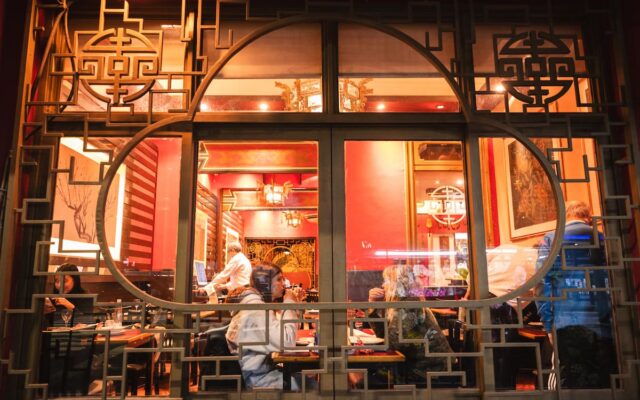
Of large dimensions, the place promises to be the new epicenter of the international nightlife scene in Argentina. Located just below the Sendero restaurant, this club seeks to establish itself as a cultural space where good taste and good music mix. With aesthetics from the Land of the Rising Sun, and a predominance of red throughout the venue, it has different VIP spaces, an extensive bar with top-level drinks and signature cocktails. In the middle is its musical heart, and on the walls we find immersive screens and visual effects that captivate visitors who arrive to the rhythm of the music. With very broad styles ranging from house to techno, ask about the programming for each weekend, which includes resident cycles, guest DJs, themed parties, and exclusive co-productions with production companies.
With space for 200 people, the place is spacious, combining different materials such as the elegance of marble, the transparency of glass, and the seduction of velvet throughout its ambiance. With a deck on its exterior, the proposal is Peruvian cuisine with a fusion and signature touch. The menu is complete, with an extensive beverage offering.
Costanera Norte roars again. It is no longer just the memory of the food carts and nights of glory: today, with a renewed and aggressive offering, it is preparing to become the new must of the Buenos Aires nightlife. Are we witnessing the rebirth of the longest bar in the world? Time will tell, but the first steps are promising.


para mí esto es humo para la gilada, renace la noche pero para los chetos nomás mientras los pibes laburan. estos templos gourmet excluyen a les laburantes, el brillo perdido era la plata de los 90 ahora es sushi de 50 lucas. yo creo que la Costanera del pueblo era con choripán y boliches populares, no esta hipocresía. @el_luchador_piquetero
al fin la joda vuelve a costanera los zurdos de mierda casi la arruinan con su progredecion para mi estos nuevos boliches son una joya pero ojala no se llene de fisuras basta de tanto cirujeo cultural firmado el gaucho de la libertad